
Portable gas detectors are specifically designed for individuals working in environments where harmful gases may be present, such as confined spaces. One key benefit of these detectors is their ease of use—they require minimal to no installation costs and are easily deployable.
Portable gas detectors come in various types, each offering specific safety features. Understanding these essential features can help you choose the right detector for your workplace needs.
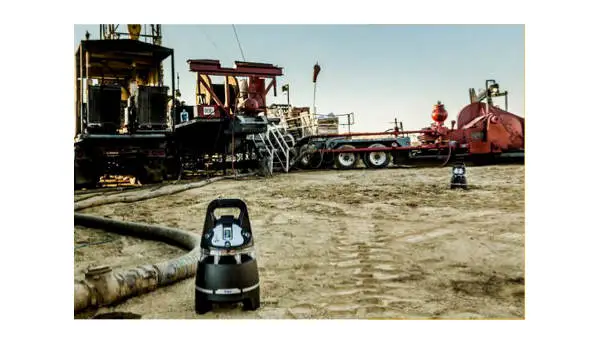
Sensor Technology
The type of sensor technology used in a gas detector is critical to its performance. Different gases require different detection methods, and various industries need monitors equipped with suitable sensors.
For instance, a device that monitors combustible and toxic gases might employ a catalytic bead sensor to detect combustible gases and an electrochemical sensor for toxic gases.
Some detectors are designed to monitor only a single type of gas, while more advanced options can support multiple sensors, allowing them to detect a wider range of gases simultaneously.
Before selecting a gas detector, carefully assess your workplace needs. Consider the environment, the types of gases present, and the potential risks. By understanding the hazards you’re dealing with, you can choose a gas detector with sensors that fit your needs.
Ambient Conditions
Portable gas detectors are typically used in harsh working environments. As a result, they must be able to withstand different ambient conditions, such as temperature extremes, humidity, and pressure variations. Choose a gas detector that can function effectively in the specific conditions your workers will face.
For instance, in industries where high temperatures are common, you should select a detector with heat-resistant components. Similarly, the detector must be moisture-resistant if your team works in highly humid areas
Operating Time
Another critical factor to consider is the operational duration. Portable gas detectors rely on batteries, and depending on the environment, they might need to run continuously for long shifts.
A gas detector with extended battery life can offer peace of mind, reducing the risk of the device shutting down during a critical operation. When selecting a detector, check its maximum operating time and ensure it aligns with your team’s working hours, especially for industries where extended shifts or irregular work schedules are common.
Charging Time
The charging speed of the detector is also vital. Portable detectors must be quickly and efficiently recharged to ensure they are always ready for use.
Devices with fast-charging capabilities are highly advantageous, particularly in high-demand environments. It’s worth investing in detectors with rapid charging times to minimise downtime.
Flexible Power Supply
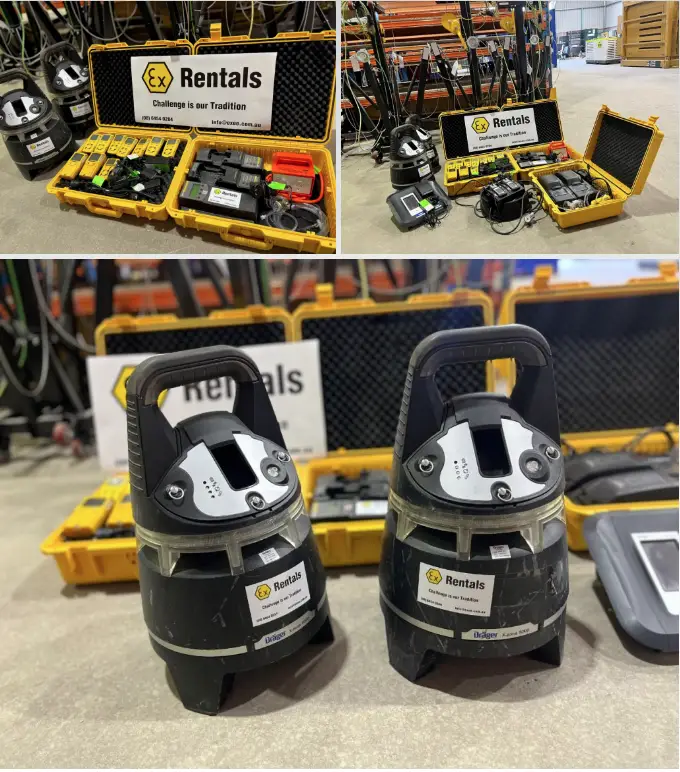
A flexible power supply ensures your portable gas detector remains operational, regardless of location or charging infrastructure. Modern detectors now offer multiple charging options, including external chargers compatible with 100–240 V power outlets, which can be used globally. This versatility ensures that your detectors can be charged in various countries without additional adapters or converters.
Additionally, some detectors are equipped with inductive wireless charging capabilities. This feature allows quick, contactless recharging, eliminating the need for physical plugs or cables.
Wireless charging reduces wear and tear on the device’s charging port, prolonging its lifespan and increasing reliability, especially in harsh working conditions.
Pump Operation
In certain environments, especially confined spaces or high-risk zones, gas detectors with pump operation are essential. These pumps enable the device to draw in air samples from areas that might otherwise be difficult or dangerous to access. For instance, when working in a confined space, a built-in pump allows the detector to sample the air from a safe distance before personnel enter the area.
Modern detectors can accommodate hose lengths of up to 45 metres (150 feet), making them ideal for sampling air in large or hard-to-reach areas. For environments classified as zone 0, where flammable gases are always present, the maximum hose length is typically reduced to 30 metres (100 feet) to ensure reliable detection and safety.
RF Approvals
In many industries, workers are exposed to environments where electromagnetic interference can disrupt the functioning of electronic devices. Portable gas leak detectors must have radio frequency (RF) approvals to ensure they continue to operate effectively in areas with high levels of electromagnetic interference.
Look for detectors certified with RF approvals to maintain reliable performance even in challenging environments.
Audible and Visual Alarms
A key safety feature in portable gas detectors is the built-in alarm system, which must be audible and visual. In hazardous situations where gas levels exceed safe thresholds, these alarms provide immediate alerts to workers. The alarms must be loud enough to be heard over background noise and bright enough to be seen even in dimly lit conditions.
Choosing suitable portable gas detectors is essential for ensuring your employees’ safety and overall security. Each of the features mentioned plays a critical role in safeguarding against the risks posed by gas exposure. By evaluating your needs and the environmental challenges of your work site, you can find a gas detector that will provide reliability and peace of mind.