Your Equipment Hire People
Contact Graeme: 0499 144 077 / graeme@exee.com.au

The Complete Guide to Hazardous Area Sockets

Reliable electrical connections are critical in hazardous environments where flammable gases, combustible dust or volatile vapours may be present. While hazardous area plugs often receive the most attention, sockets are equally important. They provide the fixed connection point that ensures portable electrical equipment can be connected safely while maintaining compliance with hazardous area regulations.

Choosing the correct hazardous area socket is about far more than matching voltage or current ratings. Environmental conditions, hazardous area classifications, ingress protection, certification standards and mechanical durability all influence whether a socket is suitable for a particular application.

This guide explains what hazardous area sockets are, how they work, the standards they comply with, and how to choose the right solution for mining, oil and gas, chemical processing, manufacturing and other hazardous industries.

What Is a Hazardous Area Socket?

A hazardous area socket is a certified electrical outlet designed for installation in environments where explosive atmospheres may exist.

Unlike standard industrial sockets, hazardous area sockets are engineered to minimise ignition risks caused by electrical switching, arcing or equipment failure. Their construction ensures they can safely provide power to portable electrical equipment without compromising personnel safety or regulatory compliance.

Most hazardous area sockets include:

  • Heavy-duty impact-resistant housings
  • Corrosion-resistant materials
  • Integrated sealing systems
  • High ingress protection ratings
  • Mechanical interlocks
  • Lockable switching mechanisms
  • Certified explosion protection methods

These features allow sockets to operate reliably in demanding industrial environments where conventional electrical equipment would not be appropriate.

Why Hazardous Area Sockets Matter

Electrical outlets are one of the most frequently used components within temporary and permanent electrical systems. Every time equipment is connected or disconnected, there is potential for electrical arcing.

In hazardous locations, even a small electrical spark may become an ignition source if combustible gases or dust are present.

Hazardous area sockets significantly reduce these risks by incorporating engineered safety features designed specifically for explosive atmospheres.

They also improve:

  • Equipment reliability
  • Worker safety
  • Compliance with site standards
  • Maintenance efficiency
  • Operational flexibility

Common Applications

Hazardous area sockets are used anywhere portable electrical equipment must be safely connected within classified areas.

Typical applications include:

Mining Operations

Mining environments regularly require temporary power during maintenance shutdowns, equipment servicing and infrastructure upgrades.

Sockets may be used for:

  • Dewatering pumps
  • Ventilation systems
  • Portable workshops
  • Lighting towers
  • Welding equipment
  • Dust suppression systems

Oil & Gas Facilities

Oil and gas installations often contain classified hazardous zones due to hydrocarbon vapours.

Hazardous area sockets are commonly installed for:

  • Temporary maintenance equipment
  • Inspection tools
  • Portable compressors
  • Instrument calibration equipment
  • Lighting systems
  • Shutdown activities

Offshore Platforms

Offshore environments introduce additional challenges including:

  • Salt spray
  • High humidity
  • Corrosion
  • Mechanical vibration
  • Constant weather exposure

Sockets designed for offshore service typically feature marine-grade materials and high ingress protection ratings to ensure long-term reliability.

Chemical Processing

Chemical manufacturing facilities often require portable electrical equipment during scheduled maintenance and plant upgrades.

Hazardous area sockets enable maintenance teams to safely connect equipment while maintaining compliance with hazardous area regulations.

Understanding IECEx Certification

Australia primarily recognises the IECEx certification system for hazardous area electrical equipment.

IECEx certification demonstrates that a socket has been independently tested and assessed for use in explosive atmospheres.

Certification considers factors including:

  • Electrical safety
  • Mechanical strength
  • Temperature limits
  • Explosion protection methods
  • Environmental sealing
  • Material performance

Selecting IECEx-certified sockets helps ensure compliance with Australian hazardous area standards while providing confidence that equipment has been tested for demanding industrial conditions.

Hazardous Area Classifications

Correct socket selection always begins with understanding the hazardous area classification.

Zone 0

Explosive gas atmosphere continuously present.

Portable electrical equipment is rarely connected directly within Zone 0.

Zone 1

Explosive atmosphere likely during normal operation.

Most hazardous area socket installations supporting portable equipment are located within or adjacent to Zone 1 environments.

Zone 2

Explosive atmosphere unlikely during normal operation but possible under abnormal conditions.

Zone 2 often allows greater equipment flexibility while still requiring certified hazardous area products.

Dust Zones

Combustible dust environments are classified separately:

  • Zone 20
  • Zone 21
  • Zone 22

Food processing, grain handling, sugar refining and powder manufacturing frequently require equipment certified for dust hazards.

Key Features to Consider

When selecting a hazardous area socket, engineers should consider:

Current Rating

Typical ratings include:

  • 16A
  • 32A
  • 63A
  • 125A

Selecting an undersized socket may result in overheating and reduced equipment life.

Voltage

Sockets must match the operating voltage of connected equipment.

Examples include:

  • 110V
  • 230V
  • 400V
  • 500V

Pin Configuration

Pin layouts prevent incompatible equipment from being connected.

Correct keying improves operational safety while reducing installation errors.

Ingress Protection

Environmental sealing is essential.

Common ratings include:

  • IP66
  • IP67

These ratings provide protection against dust ingress and water exposure commonly encountered on industrial sites.

Materials

Quality hazardous area sockets typically utilise:

  • Glass reinforced polyester
  • Marine-grade aluminium
  • Stainless steel hardware
  • UV-stabilised engineering plastics
  • High-performance sealing compounds

These materials improve corrosion resistance and service life.

Maintenance Best Practices

Regular inspection improves both safety and equipment longevity.

Maintenance should include:

  • Inspecting sealing gaskets
  • Checking locking mechanisms
  • Cleaning contact surfaces
  • Inspecting housings for impact damage
  • Confirming certification markings remain legible
  • Testing mechanical interlocks

Damaged sockets should never remain in service.

Renting vs Purchasing

For many projects, renting hazardous area sockets provides significant advantages.

Rental is often ideal for:

  • Shutdown projects
  • Plant upgrades
  • Emergency maintenance
  • Short-term construction
  • Commissioning activities
  • Offshore campaigns

Hiring equipment reduces capital expenditure while ensuring access to compliant, professionally maintained electrical equipment.
Offshore Container vs Shipping Container: Key Differences

What Makes an Offshore Container Different From a Standard Shipping Container?

If you’ve ever tried to use a standard shipping container on an offshore platform or marine installation, you’ll know quickly that it wasn’t designed for the job. The two look similar from a distance, but the engineering behind them — and the standards they’re built to — are worlds apart.

Here’s what sets a purpose-built offshore container apart, and why it matters for your operations.

Check out our range of Containers & Tanks

Built to a Different Standard

Standard shipping containers are designed for land and sea freight. They’re manufactured to ISO standards that govern their dimensions, stacking loads, and structural integrity during transport — but those standards weren’t written with crane lifts, wave motion, or dynamic loading in mind.

Offshore containers are designed and certified to DNV 2.7-1, the Det Norske Veritas standard for offshore freight containers. DNV 2.7-1 governs not just the structural strength of the container itself, but how it behaves during lifting, load transfer, and the kind of dynamic forces experienced during vessel operations and platform lifts. A container certified to this standard has been engineered and tested for exactly the conditions it will face offshore.

Lifting Points Are a Critical Difference

A standard shipping container is designed to be moved by forklift or by crane using spreader bars attached to its corner castings. These castings are adequate for static loads in controlled port environments — but they’re not designed for the dynamic, multi-directional loads of an offshore crane lift.

Offshore containers have purpose-engineered lifting points, designed and tested as part of the DNV certification process. These lifting points are rated for the specific dynamic load factors that apply when a container is being transferred from a supply vessel to a platform in open water — a genuinely hazardous operation where equipment failure has serious consequences.

Structural Integrity Under Harsh Conditions

Offshore containers are built to withstand corrosive marine environments, repeated handling, and the kind of rough treatment that comes with industrial operations. The frame construction, corner fittings, door hardware, and surface treatments are all specified for longevity in conditions that would rapidly degrade standard containers.

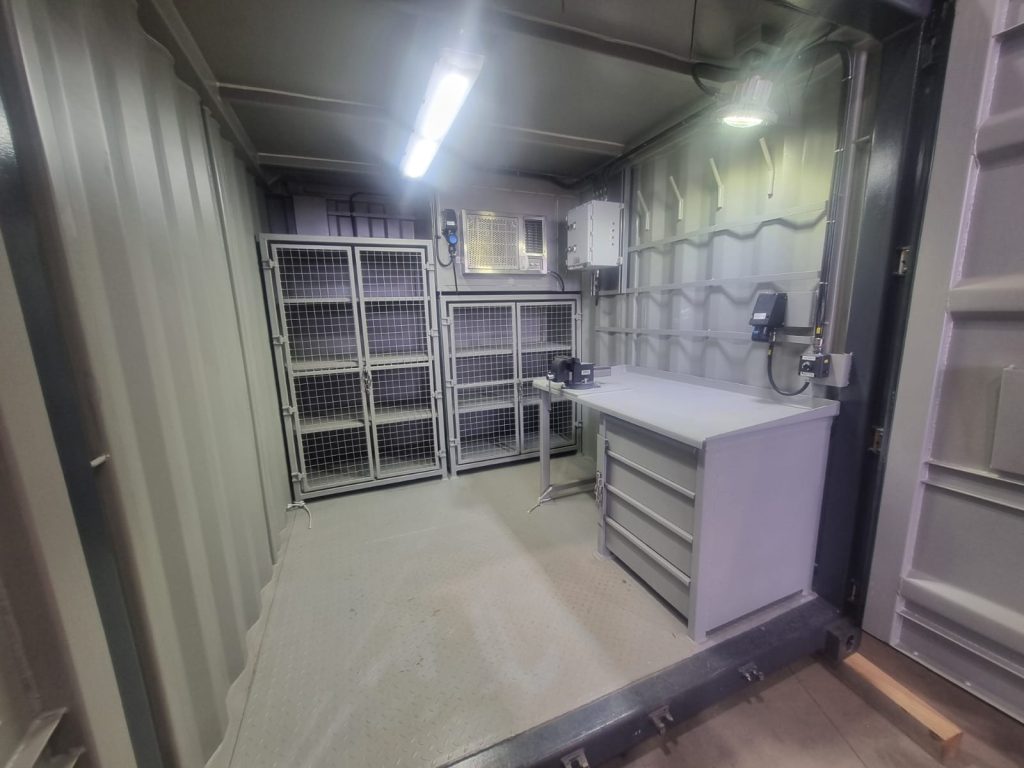
A 10-foot offshore container, like those available through EX Electrical & Rentals, is specifically sized for compact applications where space on a platform or vessel is limited — while still offering the structural integrity and lifting certification required for offshore use.

We have 10-foot offshore Zone 1 containers for rental

Why This Matters for Your Site

Using a non-certified container in an offshore environment isn’t just a compliance issue — it’s a crane lift waiting to fail. Offshore lifting operations are among the highest-risk activities in the oil and gas sector. The container, the lift rigging, and the lifting points all need to be rated for the job.

If your project involves offshore, marine, or elevated-risk industrial environments, the container you use needs to be designed and certified for that environment — not repurposed from a freight application.

Contact EX Electrical & Rentals to discuss offshore container rental for your next project.Paragraph 2

The Complete Guide to Hazardous Area Plugs: Everything You Need to Know

The Complete Guide to Hazardous Area Plugs

Electrical equipment used in hazardous areas must perform reliably under some of the harshest operating conditions found anywhere in industry. Whether powering equipment during a refinery shutdown, supplying temporary power to an offshore platform, or connecting machinery on a mine site, the wrong electrical connector can create unnecessary safety risks, downtime and costly compliance issues.

Hazardous area plugs are specifically designed to reduce these risks. Unlike conventional industrial plugs, they are manufactured and certified for use in environments where explosive gases, vapours or combustible dusts may be present. Their construction, sealing systems and certification ensure they can be safely used within defined hazardous zones when installed correctly.

For industries such as mining, oil and gas, chemical processing, marine operations and heavy manufacturing, hazardous area plugs are an essential part of maintaining both operational safety and regulatory compliance. Selecting the correct connector involves more than matching voltage and current ratings—it also requires consideration of hazardous area classification, environmental conditions, certification requirements and equipment compatibility.

This guide explains everything you need to know about hazardous area plugs, including how they work, where they are used, what IECEx certification means, and how to choose the right equipment for your next project.


What Is a Hazardous Area Plug?

A hazardous area plug is an electrical connector engineered for use in locations where an explosive atmosphere may exist. These environments can contain flammable gases, combustible vapours or dust capable of igniting if exposed to an electrical spark, arc or excessive surface temperature.

Unlike domestic or standard industrial connectors, hazardous area plugs are designed to minimise ignition risks through robust mechanical construction, specialised sealing systems and certified explosion protection methods.

Depending on their design, hazardous area plugs may incorporate features such as:

  • Flameproof or increased safety construction.
  • Mechanical interlocking systems.
  • High ingress protection against dust and water.
  • Corrosion-resistant materials.
  • Locking mechanisms that prevent accidental disconnection under load.
  • Impact-resistant housings suitable for demanding industrial environments

These design characteristics help ensure reliable electrical connections while protecting personnel, equipment and surrounding infrastructure.

Here are examples of some plugs stocked by Ex Electrical, Engineering and Rentals.


Why Standard Industrial Plugs Cannot Be Used

One of the most common misconceptions is that a high-quality industrial plug is automatically suitable for hazardous locations.

This is not the case.

Although many industrial connectors are rugged and weather resistant, they are generally not certified to prevent ignition in explosive atmospheres.

Potential hazards include:

  • Electrical arcing during connection or disconnection.
  • Sparking from damaged contacts.
  • High surface temperatures.
  • Dust ingress affecting electrical integrity.
  • Moisture entering live components.
  • Mechanical damage exposing conductive parts

Any one of these issues can become a serious safety concern if flammable gases or dust are present.

Hazardous area plugs are specifically engineered and tested to minimise these risks while complying with recognised international certification systems.


Where Are Hazardous Area Plugs Used?

Hazardous area electrical connectors are found across a wide range of industries where explosive atmospheres may occur during normal operation or under abnormal conditions.

Some of the most common applications include:

Mining Operations

Mine sites frequently contain combustible dusts, diesel fuel storage, gas monitoring systems and temporary electrical installations. Hazardous area plugs allow portable equipment to be connected safely while maintaining compliance with site electrical standards.

Typical mining applications include:

  • Portable lighting systems
  • Ventilation equipment
  • Dewatering pumps
  • Temporary workshops
  • Surface processing facilities
  • Underground maintenance operations

Oil and Gas Facilities

Oil and gas facilities represent some of the most demanding hazardous environments.

Electrical equipment may be exposed to:

  • Hydrocarbon vapours
  • Solvents
  • Fuel storage areas
  • Offshore salt spray
  • Continuous vibration
  • High humidity

Hazardous area plugs provide safe electrical connections for:

  • Temporary shutdown equipment
  • Portable compressors
  • Inspection equipment
  • Pumping systems
  • Lighting towers
  • Maintenance activities

Chemical Processing Plants

Chemical manufacturing often involves volatile solvents and combustible chemicals that require carefully controlled electrical installations.

Portable hazardous area connectors allow maintenance teams to safely connect temporary equipment without compromising safety systems.

Common uses include:

  • Portable pumps
  • Maintenance tools
  • Ventilation systems
  • Inspection lighting
  • Temporary processing equipment

Food Manufacturing

Many people are surprised to learn that food manufacturing facilities can also require hazardous area equipment.

Dust generated from products such as:

  • Flour
  • Grain
  • Sugar
  • Starch
  • Milk powder

can create combustible atmospheres under certain conditions.

Correctly certified electrical connectors help reduce ignition risks while supporting regular maintenance and production activities.


Cost Savings: Why Cable-Pulling Equipment for Hire Makes Sense

Managing projects efficiently requires the right tools while maintaining a balance between operational costs and performance. For many businesses, cable-pulling equipment for hire is a practical alternative to purchasing. From cost savings to better resource management, cable-pulling equipment hire offers several advantages that can directly impact project efficiency.

cable-pulling equipment hire Perth

Reduced Upfront Costs and Better Cash Flow

Purchasing equipment involves significant upfront investment, which can strain cash flow. On the other hand, hiring offers a more cost-effective solution by spreading expenses throughout a project. This allows businesses to allocate funds more effectively, especially when the need for such equipment is short-term or occasional.

Renting ensures that your budget remains flexible, directing resources toward other crucial areas such as labour, materials, or project planning.

Access to the Latest Equipment and Technology

The cable-pulling industry is constantly evolving, with new technology offering greater efficiency and safety. By choosing cable-pulling equipment hire, businesses can access the latest models

without the burden of ownership. Equipment rental providers often maintain a fleet of modern, well-maintained tools, ensuring you have the right gear to complete tasks efficiently.

Hiring also ensures that your team works with up-to-date equipment that meets current safety standards, helping minimize risks and downtime.

Flexibility to Scale Equipment Use

Projects can vary in scope, and not all jobs require the same type or amount of equipment. Hiring cable-pulling equipment offers the flexibility to scale up or down depending on the demands of each project phase. For example, you can rent additional cable drum rollers during peak periods or return them when no longer needed, saving storage space and avoiding unnecessary costs.

This flexibility eliminates the challenges of occasionally maintaining and storing equipment, allowing you to focus more on project execution.

Lower Maintenance and Repair Costs

Owning cable-pulling equipment comes with ongoing maintenance and repair responsibilities. Regular upkeep is necessary to keep equipment in working condition, but it can also increase operational costs. With cable-pulling equipment like cable drum roller hire, the rental company typically handles maintenance, ensuring the equipment is in optimal condition upon delivery.

In case of breakdowns, rental providers often offer immediate replacements, reducing downtime and keeping your project on track without the hassle of repairs.

No Long-Term Storage Requirements

Heavy equipment like cable pullers and drum rollers requires proper storage to prevent damage when not in use. Storing bulky tools over long periods also demands dedicated space, which can lead to additional storage expenses. Renting eliminates the need for long-term storage, as equipment is returned after completing the project.

With cable-pulling equipment for hire, you free up space and avoid unnecessary logistical challenges, improving overall resource management.

cable pulling equipment

Improved Project Efficiency

Using the right tools at the right time is crucial in improving project efficiency. Renting allows businesses to match their equipment needs precisely to project requirements, ensuring the job gets done smoothly and on schedule. Access to high-quality, well-maintained equipment helps your team avoid delays caused by faulty or outdated tools, resulting in better performance across all project phases.

Hiring also ensures that you aren’t limited by outdated equipment you already own, allowing you to select the best tools for each specific task.

Choosing cable-pulling equipment offers numerous benefits, from reducing upfront costs to eliminating maintenance burdens and providing access to the latest technology. With the flexibility

to scale usage and avoid storage challenges, businesses can optimize resource management and focus on project execution. Renting not only makes financial sense but also ensures that projects run efficiently, enhancing productivity without the long-term responsibilities of ownership.

Secure the Right Equipment for Your Next Project

Are you looking to improve efficiency and reduce costs? Explore our cable-pulling equipment hire options at Ex Electrical and Rentals and find the perfect tools for your project needs! You can also discuss your project needs by calling us on +61 (08) 6454 0284.

Common Industries That Benefit from Storage Containers for Hire

Storage Containers for hire Perth

Is investing in storage containers for hire the right choice for your business? The answer largely depends on your industry and needs. You might experience fluctuating demand throughout the year, such as seasonal peaks, or face unexpected product or service requirements surges due to events like a pandemic.

While various businesses may occasionally require additional storage, certain industries frequently use the convenience of storage container rentals. From construction to agriculture, here are the sectors that can benefit most from these flexible and secure storage solutions.

Construction

Construction projects are often long-term and complex, requiring extensive equipment, materials, and tools to be kept safe on-site. Construction workers may need to pause work due to adverse weather conditions, delays in material delivery, or funding issues.

During these periods, the safety of high-value items like machinery and building materials is paramount. Hiring storage containers offers a practical solution by providing secure and weather- resistant storage, protecting equipment from theft and environmental damage.

Manufacturing

The manufacturing industry is no stranger to large quantities of raw materials, parts, and finished products. Secure storage is crucial for manufacturers to avoid loss and damage. Storage containers offer an ideal solution, allowing businesses to safely store tools, components, and equipment.

Moving and Relocation Services

Moving companies often handle large volumes of items, which need temporary storage units before or after transportation. Storage containers for hire provide an easy and reliable way to store these items securely.

Oil, Gas, and Mining

The oil and mining sectors operate in remote, often challenging environments with minimal infrastructure. For these industries, storage containers offer much more than just a space to store equipment.

They are frequently used to create temporary office spaces, break rooms, or employee rest areas. The ability to modify storage containers to fit specific needs makes them indispensable in these sectors.

Agriculture

Agriculture is an industry that requires reliable and secure storage facilities, particularly during harvest seasons. Farmers and agricultural workers often deal with large machinery, tools, and produce that need safe storage.

When barns or sheds run out of space, renting storage containers becomes a practical alternative. These containers offer secure, weatherproof storage for equipment, tools, and even harvested crops, ensuring everything remains in good condition.

Storage Unit Perth

Landscaping and Outdoor Services

Landscaping companies deal with various equipment, from lawnmowers to specialized gardening tools. When not in use, these tools must be stored in a secure location.

Storage containers provides landscaping professionals with a durable, theft-proof solution for storing valuable equipment. Whether for daily use or long-term storage during off-seasons, these storage or shipping containers for hire offer the security to prevent loss or damage.

Why Storage Container Rentals Are the Smart Choice

For industries that handle large volumes of equipment, tools, or products, renting storage containers provides a range of benefits:

  • Flexibility – Scale your storage needs up or down without committing to permanent infrastructure.
  • Cost efficiency – Avoid high costs associated with building or maintaining fixed storage facilities.
  • Convenience – Containers can be delivered directly to your site, ensuring easy access to your tools and materials.
  • Security – Robust containers provide protection against theft, weather conditions, and other potential risks.

Businesses in various industries can meet their short-term and long-term storage needs by choosing storage containers for hire without overspending on permanent solutions.

Secure Your Business Storage Needs with Flexible Solutions

If you’re looking for flexible and secure storage solutions, Ex Electrical and Rentals offers storage spaces for rent. Contact us at +61 (08) 6454 0284 to explore storage containers for hire tailored to your industry
needs!

How to Choose the Correct Portable Air Compressor for Hire

Choosing a portable air compressor for hire is crucial for ensuring optimal performance and efficiency in your projects. With so many options available, businesses must consider several factors to make an informed decision that meets their needs. From power requirements to usage demands, here are key considerations to help you select the best portable air compressor for your business.

Portable Air Compressor Perth

Your Project Requirements

The first step in choosing a suitable portable air compressor is to understand the specific demands of your project. Consider factors like the type of tools you’ll be using, the amount of air pressure required, and the length of your project. For instance, construction projects often need more powerful compressors to handle large pneumatic tools, whereas smaller jobs may only require light-duty air compressors.

Power Source Options

Portable air compressors come in various power configurations, typically electric or fuel-powered (diesel or gasoline). An electric compressor might be ideal if your job site has access to electrical outlets, as it offers lower noise levels and no emissions. However, a fuel-powered compressor is a more practical choice if you’re working in remote locations without electrical access.

Choosing between these options will depend on your work environment, so consider the availability of power sources on-site before deciding which portable air compressor for hire fits your needs.

Airflow and Pressure Needs

Airflow and pressure are essential specifications to consider when renting an air compressor. Different tools require different levels of airflow and pressure. Make sure to match the compressor’s capacity with the requirements of your equipment to ensure smooth operation.

Size and Portability

Another essential factor to consider is the size and weight of the air compressor. While large compressors may offer more power, they can be cumbersome to move around. Smaller and more portable units are typically a better fit for projects requiring mobility or confined spaces. Renting a compact, easily transportable compressor can save time and effort, especially for businesses with multiple job sites.

Energy Efficiency

Energy efficiency is a significant factor when renting air compressors, as it can impact performance and operational costs. Look for compressors that offer variable speed drives (VSD) or adjustable controls, which can help reduce energy consumption by matching the output to the actual demand of the project. Optimising energy use will lower fuel or electricity costs and minimise your operations’ environmental impact.

Zone 2 Air Compressor Perth

Maintenance and Support Services

Before finalising your decision, inquire about the maintenance and support services provided by the rental company. Routine maintenance is essential to keeping air compressors running efficiently. Choose a rental provider that offers responsive support, regular servicing, and fast access to replacement parts or equipment if needed. This ensures that your business avoids downtime and maintains productivity throughout the project.

Selecting the right portable air compressor for hire involves evaluating your project requirements, power source availability, airflow and pressure needs, portability, energy efficiency, and maintenance services. By carefully considering these aspects, you can optimise performance and minimise costs, ensuring that your air compressor rental aligns perfectly with your business needs.

Maximise Project Efficiency with the Right Portable Air Compressor

Ready to rent the ideal air compressor for your project? Contact us today to explore flexible, portable air compressor for hire options tailored to your needs! You can call +61 (08) 6454 0284 or email info@exee.com.au .

When Should You Consider Generators for Hire for Your Business?

Power outages or electrical failures can disrupt business operations. A reliable backup power source is essential in many industries to maintain productivity and prevent revenue losses. Generators for hire can be a practical solution for your business needs, offering flexibility and cost-efficiency.

But when should you consider renting generators? Let’s explore some common scenarios in which renting a generator makes sense.

Generators for hire Perth

During Unplanned Power Outages

Unplanned power outages can occur due to storms, equipment failures, or utility maintenance. These interruptions can lead to significant losses for businesses that rely heavily on electricity.

A backup generator can keep operations running smoothly during an outage. Renting a generator makes sense if your business experiences infrequent outages, as purchasing one may not be financially justifiable for occasional use.

Seasonal or Temporary Projects

Zone 2 generator rentals are ideal for many businesses that operate on a seasonal or project- based schedule, such as events, construction projects, or agricultural harvests. In these cases,

the need for a reliable power source may be temporary. Rather than purchasing a generator that may not be used year-round, hiring one is a cost-effective option.

For example, construction sites often require portable generators to power tools and equipment in areas without access to the electrical grid. Similarly, outdoor events like festivals, markets, or sporting events rely on generators to run lighting, sound systems, and other vital components. Renting generators for these temporary needs ensures that you only pay for what you use during the project’s duration.

When Expanding Your Business

Expanding a business often involves moving to a new location, increasing production, or opening additional sites. During this period of growth, electricity demands may increase, and your current infrastructure may not be able to meet the additional requirements. Hiring generators can serve as a temporary solution to supplement your existing power supply while permanent electrical upgrades are being made.

To Meet Emergency Preparedness Requirements

Many industries, particularly those in critical sectors like healthcare, food production, and telecommunications, require backup power solutions as part of their emergency preparedness plans. Hospitals, for instance, must ensure they have a reliable power source for life-support equipment and other essential medical devices in the event of a power failure.

Renting a generator is a sensible solution if your business operates in an industry where backup power is required by law or regulation. It ensures you meet compliance requirements without committing to the long-term costs of purchasing and maintaining a generator.

hazardous area generator

When You Need Flexibility in Power Output

Not all businesses have the same power requirements, and these needs may change over time. Purchasing a generator locks you into a specific power capacity, which may not always meet your evolving demands. On the other hand, hiring gives you flexibility to choose different sizes and capacities of generators based on your immediate needs.

For instance, a small office may only need a compact generator to keep critical systems operational during a power cut. Meanwhile, a large industrial site may require a high-capacity generator to power heavy machinery. With a rental, you can scale your power supply up or down, ensuring you have the right equipment for every situation.

For Backup During Peak Energy Demand

In some cases, businesses experience periods of peak energy demand where the existing power supply is insufficient. This is common in industries that experience fluctuating workloads, such as data centres or manufacturing plants. During these times, having a backup generator ensures you can meet production targets without overloading the electrical grid.

Rather than investing in a larger, more expensive power system that may only be needed a few times a year, renting a generator can help bridge the gap during high-demand periods. It provides

an affordable and scalable solution to manage peak energy loads without permanently increasing operational costs.

Renting generators offers a range of benefits for businesses, particularly those that face temporary or fluctuating power needs. Whether you need backup during a power outage, support for a seasonal project, or a temporary solution during business expansion, generators for hire can save you money and provide the flexibility your business requires.

Essential Features of Portable Gas Detectors

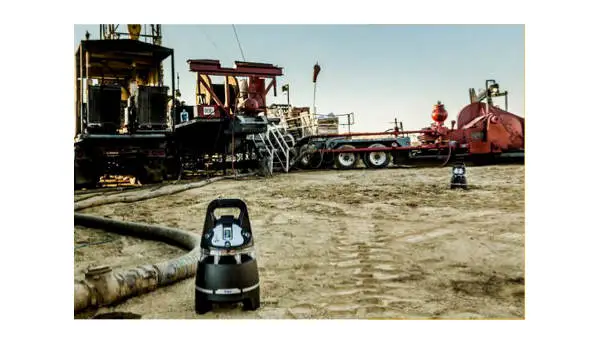
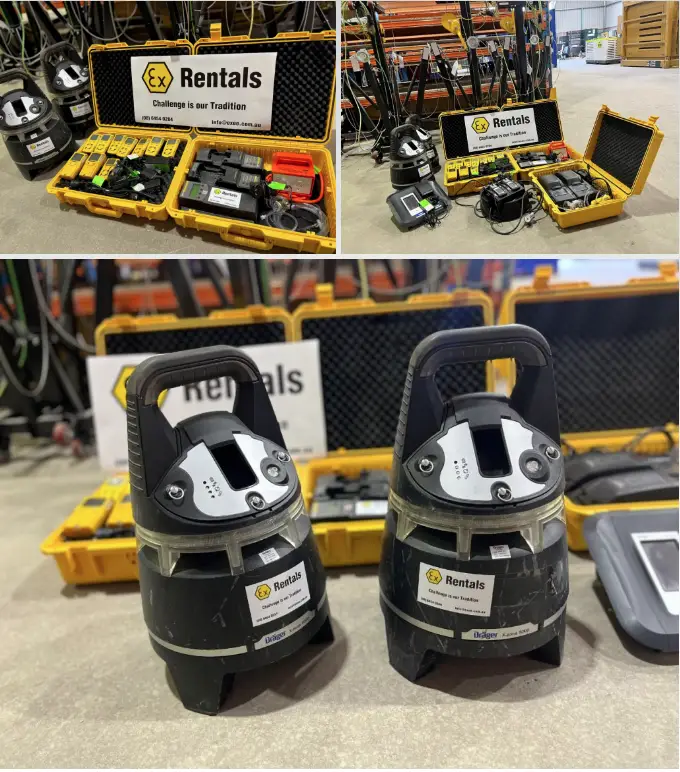
Portable gas detectors are specifically designed for individuals working in environments where harmful gases may be present, such as confined spaces. One key benefit of these detectors is their ease of use—they require minimal to no installation costs and are easily deployable.

Portable gas detectors come in various types, each offering specific safety features. Understanding these essential features can help you choose the right detector for your workplace needs.

Portable Gas Detectors

Sensor Technology

The type of sensor technology used in a gas detector is critical to its performance. Different gases require different detection methods, and various industries need monitors equipped with suitable sensors.

For instance, a device that monitors combustible and toxic gases might employ a catalytic bead sensor to detect combustible gases and an electrochemical sensor for toxic gases.

Some detectors are designed to monitor only a single type of gas, while more advanced options can support multiple sensors, allowing them to detect a wider range of gases simultaneously.

Before selecting a gas detector, carefully assess your workplace needs. Consider the environment, the types of gases present, and the potential risks. By understanding the hazards you’re dealing with, you can choose a gas detector with sensors that fit your needs.

Ambient Conditions

Portable gas detectors are typically used in harsh working environments. As a result, they must be able to withstand different ambient conditions, such as temperature extremes, humidity, and pressure variations. Choose a gas detector that can function effectively in the specific conditions your workers will face.

For instance, in industries where high temperatures are common, you should select a detector with heat-resistant components. Similarly, the detector must be moisture-resistant if your team works in highly humid areas

Operating Time

Another critical factor to consider is the operational duration. Portable gas detectors rely on batteries, and depending on the environment, they might need to run continuously for long shifts.

A gas detector with extended battery life can offer peace of mind, reducing the risk of the device shutting down during a critical operation. When selecting a detector, check its maximum operating time and ensure it aligns with your team’s working hours, especially for industries where extended shifts or irregular work schedules are common.

Charging Time

The charging speed of the detector is also vital. Portable detectors must be quickly and efficiently recharged to ensure they are always ready for use.

Devices with fast-charging capabilities are highly advantageous, particularly in high-demand environments. It’s worth investing in detectors with rapid charging times to minimise downtime.

Portable Gas Detectors Perth

Flexible Power Supply

A flexible power supply ensures your portable gas detector remains operational, regardless of location or charging infrastructure. Modern detectors now offer multiple charging options, including external chargers compatible with 100–240 V power outlets, which can be used globally. This versatility ensures that your detectors can be charged in various countries without additional adapters or converters.

Additionally, some detectors are equipped with inductive wireless charging capabilities. This feature allows quick, contactless recharging, eliminating the need for physical plugs or cables.

Wireless charging reduces wear and tear on the device’s charging port, prolonging its lifespan and increasing reliability, especially in harsh working conditions.

Pump Operation

In certain environments, especially confined spaces or high-risk zones, gas detectors with pump operation are essential. These pumps enable the device to draw in air samples from areas that might otherwise be difficult or dangerous to access. For instance, when working in a confined space, a built-in pump allows the detector to sample the air from a safe distance before personnel enter the area.

Modern detectors can accommodate hose lengths of up to 45 metres (150 feet), making them ideal for sampling air in large or hard-to-reach areas. For environments classified as zone 0, where flammable gases are always present, the maximum hose length is typically reduced to 30 metres (100 feet) to ensure reliable detection and safety.

RF Approvals

In many industries, workers are exposed to environments where electromagnetic interference can disrupt the functioning of electronic devices. Portable gas leak detectors must have radio frequency (RF) approvals to ensure they continue to operate effectively in areas with high levels of electromagnetic interference.

Look for detectors certified with RF approvals to maintain reliable performance even in challenging environments.

Audible and Visual Alarms

A key safety feature in portable gas detectors is the built-in alarm system, which must be audible and visual. In hazardous situations where gas levels exceed safe thresholds, these alarms provide immediate alerts to workers. The alarms must be loud enough to be heard over background noise and bright enough to be seen even in dimly lit conditions.

Choosing suitable portable gas detectors is essential for ensuring your employees’ safety and overall security. Each of the features mentioned plays a critical role in safeguarding against the risks posed by gas exposure. By evaluating your needs and the environmental challenges of your work site, you can find a gas detector that will provide reliability and peace of mind.

What Are the Benefits of Zone 2 Generator Rental?

Safety and operational efficiency are top priorities in hazardous environments. Specific areas are classified as hazardous in industries such as oil, gas, chemical processing, and mining due to explosive gases, vapours, or dust. In these cases, reliable power is essential.

Zone 2 generator rentals are specifically designed to operate safely in environments where flammable materials may be present.

hazardous area generator

Renting a Zone 2 generator can offer numerous benefits. This is especially true if you’re looking for flexible, safe, and cost-effective power solutions. Let’s discuss some of them:

Enhanced Safety and Compliance

The primary advantage of using a Zone 2 generator is the level of safety it provides. These generators are designed to meet strict safety standards and regulations, ensuring they can operate in hazardous environments without sparking potential hazards.

Renting a Zone 2 generator eliminates the need to worry about whether your equipment meets safety standards. Generator rental providers maintain the units and ensure they comply with the latest requirements.

Moreover, using a generator classified for Zone 2 ensures compliance with Australian safety regulations related to explosive atmospheres. Rent from a reputable provider or rental equipment to guarantee that your business meets these safety mandates.

Cost Savings

A Zone 2 generator rental can be a significant investment, especially for short-term or project- based needs. Renting provides a cost-effective alternative, allowing you to access high-quality equipment without the upfront capital expense.

Flexibility for Projects of Any Size

Renting a generator offers flexibility that ownership does not. For businesses that experience fluctuating power demands or operate on short-term projects, renting a Zone 2 generator allows you to scale your power solution up or down as needed.

Whether you require a generator for a few days or several months, you can tailor rental agreements to fit the exact duration of your project. Once the job is complete, you can return the generator without worrying about long-term storage or depreciation.

This flexibility also extends to the size and capacity of the generator. Rental companies offer many options, allowing you to choose the most appropriate unit for your requirements. If your power needs increase unexpectedly, you can easily upgrade to a larger generator.

Generators for hire Perth

Reduced Downtime and Maintenance Concerns

Rental providers perform regular maintenance checks and repairs on their equipment, ensuring it is in peak operating condition when delivered to your site. This reduces the risk of breakdowns, which can cause costly downtime and delay project completion.

Most rental agreements include prompt replacement or repair services in the event of a malfunction. This helps minimise disruptions to your operations.

Environmental Compliance and Sustainability

Modern Zone 2 generators are designed with improved fuel efficiency and lower emissions, helping to minimise the carbon footprint of your operations. Rental companies often offer equipment that meets the latest environmental standards, ensuring you stay compliant with regulations around air quality and emissions.

Additionally, renting a generator reduces the demand for new units, positively impacting the environment. By renting equipment, you contribute to the circular economy, where resources are used more efficiently and waste is minimised.

Customised Solutions

Rental companies can provide customised power solutions based on the unique needs of your project. Whether you need multiple generators for a large-scale operation or specific configurations to suit hazardous conditions, generator rental providers can tailor their offerings to meet your requirements. This level of customisation ensures that you get the right power solution for your project without compromising performance or safety.

Opting for a Zone 2 generator rental offers numerous benefits, including enhanced safety, cost savings, and flexibility. For industries operating in hazardous environments, the ability to quickly and easily rent compliant and reliable equipment can significantly improve operational efficiency and safety.
By renting rather than purchasing, you can enjoy the flexibility and cost advantages of short-term solutions while maintaining compliance with safety and environmental standards.

Mud Mixer Options: Is Renting or Buying Better for You?

Mud mixers are essential for projects that involve precise mixing of materials, such as cement, plaster, or grout. Whether for construction, landscaping, or renovation, access to the right equipment ensures efficiency and high-quality results.

But should you rent or buy a mud mixer? Choosing the right one depends on several factors, including cost, frequency of use, and maintenance.

What to Consider Before Renting or Buying

Consider the scope and frequency of your project. Purchasing one is logical if you regularly handle large-scale projects requiring a mud mixer.

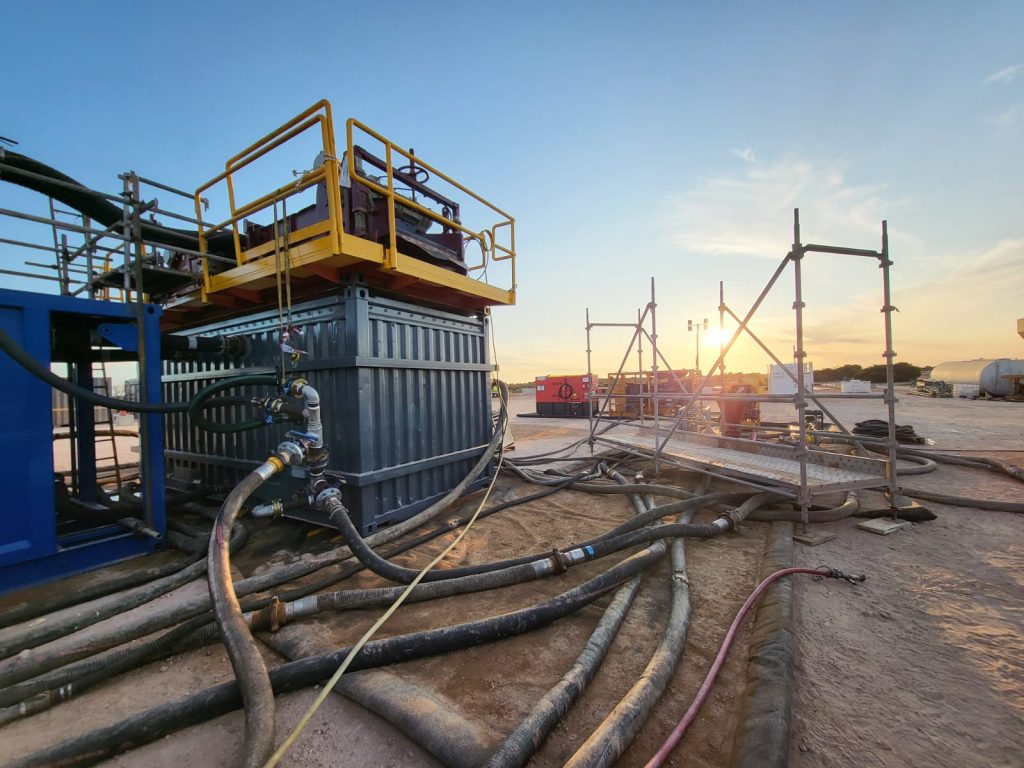
Mud Mixer Perth

However, renting offers flexibility for those who only need the equipment occasionally or are working on one-off projects. Let’s break down the advantages of a mud mixer rental and purchase option.

The Case for Renting Mud Mixers

Here are a few reasons why renting might be a better option:

Lower Upfront Costs

The lower initial cost is one of the most compelling reasons to rent a mud mixer. Purchasing a high-quality mixer can be expensive, especially if you work within a limited budget. Renting

eliminates the need for a significant upfront investment and allows you to allocate your budget to other aspects of your project.

Flexibility for Short-Term Projects

If you’re working on a project that requires specialised equipment for only a short period, renting a mud mixer provides the perfect solution. Instead of purchasing a machine that might sit unused after the project, renting allows you to return the equipment when the job is done.

No Maintenance or Storage Worries

Owning equipment means you are responsible for its upkeep, repairs, and storage. These additional responsibilities can add significant costs over time, particularly if you don’t have the facilities or workforce to handle maintenance.

When you rent, the rental company takes care of these issues. Once you’re done using the mixer, you can return it without worrying about storage space or long-term wear and tear.

The Benefits of Buying a Mud Mixer

While renting offers flexibility, there are situations where purchasing a mud mixer could be more cost-effective. Here are some potential benefits of buying:

Long-Term Cost Savings

For contractors or businesses that consistently use mud mixers, purchasing one may offer savings in the long run. Ownership allows you to avoid ongoing rental costs instead of paying a rental fee whenever you need the equipment. Over time, this can lead to significant savings, especially if the mixer is required for long-term projects.

Mud Mixer Rental Near me

Immediate Availability

Owning your mud mixer ensures the equipment is always available whenever needed. You won’t need to worry about availability at mud systems rental companies or scheduling around the return date. This can be a major advantage if you often face tight deadlines or need to make last-minute decisions on-site.

Customisation and Familiarity

When you own equipment, you can customise it to fit your needs. Additionally, by using the same machine repeatedly, your team can become familiar with its operation, reducing the learning curve and enhancing productivity.

Which is Right for You?

Deciding between renting and buying comes down to a few key factors. The frequency of use is one of the most critical considerations. If you regularly require mud mixing equipment for ongoing projects, purchasing may make sense in the long term.

However, for businesses that only need the equipment occasionally or for those handling varied projects, renting is a smart choice that offers flexibility and cost control.

Additionally, if you’re considering buying, consider the cost of maintenance, repairs, and storage. While owning equipment can lead to long-term savings, these added responsibilities may not be worth the hassle for contractors who need the infrastructure to support them.

If you’re worried about using outdated equipment or handling unexpected repairs, renting provides a convenient way to access well-maintained, modern tools without a long-term commitment.

When deciding between renting or buying a mud mixer, assess your project requirements, budget, and equipment needs. By carefully weighing the pros and cons, you can make the most informed choice for your construction or renovation projects.