
Choosing a zone 2 hazardous area lighting is more than just compliance. It directly impacts the safety and efficiency of your operations. Whether overseeing an industrial site or a specialised facility, understanding what to look for in hazardous area lighting ensures your workspace remains secure and functional.
In this guide, you will find the information needed to make an informed decision and select lighting that meets the specific requirements of Zone 2 environments while optimising performance
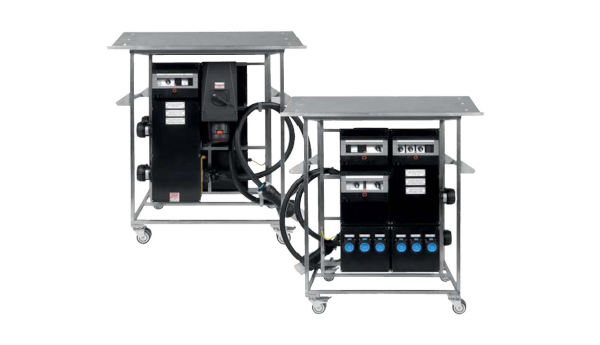
What Are Zone 2 Spaces?
Zone 2 spaces are areas where an explosive atmosphere is not typically present during regular operations. But it could form temporarily under abnormal conditions. Although the likelihood is
lower compared to more hazardous areas, Zone 2 environments still require a strategic approach to reduce the risk of ignition and ensure compliance with safety regulations.
Industries Where Zone 2 Hazards Are Common
Various industries and sectors must account for the potential hazards associated with Zone 2 spaces. These include:
- Food and beverage processing – Handling certain ingredients and chemicals during food production can occasionally lead to flammable gases or dust, particularly in storage areas.
- Laboratories – When volatile chemicals are used, laboratories become susceptible to temporary hazardous atmospheres, especially if ventilation systems are compromised.
- Paint and printing facilities – Solvents and inks, known for their flammable properties, make these locations prone to creating hazardous atmospheres, particularly during intensive production processes.
- Warehouses and storage areas – Facilities that store flammable materials such as fuels or chemicals can experience an increased risk of a dangerous atmosphere during leaks, spills, or container breaches.
Key Factors in Determining Zone 2 Risks
Several elements influence the potential for a hazardous atmosphere in Zone 2 spaces:
- Ventilation – The quality of ventilation systems is critical in preventing the accumulation of flammable gases or vapours. Poorly ventilated areas are more vulnerable to hazards.
- Operational disruptions – Maintenance or unexpected malfunctions can introduce temporary risks. The release of flammable substances during such events raises the danger in Zone 2 areas.
- Proximity to higher-risk zones – When a Zone 2 area is close to a Zone 1 space, there is a heightened chance that flammable substances from the higher-risk area could migrate, increasing the need for stringent safety protocols.
The Role of Zone 2 Explosion-Proof Lights in Industrial Applications
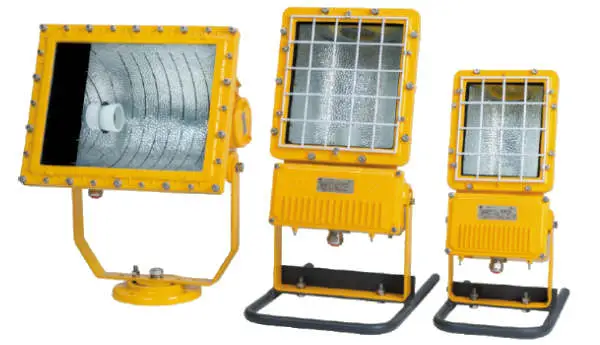
In Zone 2 areas, where the risk of an explosive atmosphere is lower but still present, explosion- proof lights play a critical role in maintaining safety. These lights are essential for industries such as oilfields, chemical processing, and storage facilities, where flammable gases or vapours occasionally occur.
Designed to withstand these hazardous environments, Zone 2 hazardous area lighting incorporates robust safety features like sealed enclosures and durable, corrosion-resistant materials. These features prevent internal sparks or excessive heat from igniting explosive gases, making them ideal for high-risk areas like pipelines, storage tanks, and chemical plants.
By investing in explosion-proof lighting designed for Zone 2, you can ensure compliance with safety regulations while providing effective illumination in challenging environments. This enhances workplace safety and supports operational continuity in hazardous locations.
How to Choose Zone 2 Lighting
Safety and regulatory compliance should be top priorities when selecting hazardous lighting and equipment for Zone 2 areas. Here are key points to keep in mind:
- Explosion protection certification – Ensure the Zone 2 hazardous area lighting is certified for hazardous areas under Australian standards (ANZEx) or international equivalents to guarantee compliance with safety requirements.
- Material durability – Choose fixtures made from corrosion-resistant materials, such as stainless steel or robust polymers, which can withstand Australia’s diverse environmental conditions, from coastal areas to industrial settings.
- Ingress protection (IP) rating – Lighting for Zone 2 spaces should have an IP65 or higher rating to protect against dust and water.
- Energy efficiency – LED lighting is ideal for hazardous areas due to its energy-saving capabilities and minimal heat generation, reducing the risk of ignition.
With these factors, you’ll select Zone 2 lighting that meets Australian safety standards and ensures long-lasting performance in hazardous environments.