Your Equipment Hire People
Contact Graeme: 0499 144 077 / graeme@exee.com.au

Ultimate Guide to Selecting a Zone 2 Hazardous Area Lighting

Choosing a zone 2 hazardous area lighting is more than just compliance. It directly impacts the safety and efficiency of your operations. Whether overseeing an industrial site or a specialised facility, understanding what to look for in hazardous area lighting ensures your workspace remains secure and functional.

In this guide, you will find the information needed to make an informed decision and select lighting that meets the specific requirements of Zone 2 environments while optimising performance
Hazardous Area lighting Perth

What Are Zone 2 Spaces?

Zone 2 spaces are areas where an explosive atmosphere is not typically present during regular operations. But it could form temporarily under abnormal conditions. Although the likelihood is

lower compared to more hazardous areas, Zone 2 environments still require a strategic approach to reduce the risk of ignition and ensure compliance with safety regulations.

Industries Where Zone 2 Hazards Are Common

Various industries and sectors must account for the potential hazards associated with Zone 2 spaces. These include:

  • Food and beverage processing – Handling certain ingredients and chemicals during food production can occasionally lead to flammable gases or dust, particularly in storage areas.
  • Laboratories – When volatile chemicals are used, laboratories become susceptible to temporary hazardous atmospheres, especially if ventilation systems are compromised.
  • Paint and printing facilities – Solvents and inks, known for their flammable properties, make these locations prone to creating hazardous atmospheres, particularly during intensive production processes.
  • Warehouses and storage areas – Facilities that store flammable materials such as fuels or chemicals can experience an increased risk of a dangerous atmosphere during leaks, spills, or container breaches.

Key Factors in Determining Zone 2 Risks

Several elements influence the potential for a hazardous atmosphere in Zone 2 spaces:

  • Ventilation – The quality of ventilation systems is critical in preventing the accumulation of flammable gases or vapours. Poorly ventilated areas are more vulnerable to hazards.
  • Operational disruptions – Maintenance or unexpected malfunctions can introduce temporary risks. The release of flammable substances during such events raises the danger in Zone 2 areas.
  • Proximity to higher-risk zones – When a Zone 2 area is close to a Zone 1 space, there is a heightened chance that flammable substances from the higher-risk area could migrate, increasing the need for stringent safety protocols.

The Role of Zone 2 Explosion-Proof Lights in Industrial Applications

In Zone 2 areas, where the risk of an explosive atmosphere is lower but still present, explosion- proof lights play a critical role in maintaining safety. These lights are essential for industries such as oilfields, chemical processing, and storage facilities, where flammable gases or vapours occasionally occur.

Designed to withstand these hazardous environments, Zone 2 hazardous area lighting incorporates robust safety features like sealed enclosures and durable, corrosion-resistant materials. These features prevent internal sparks or excessive heat from igniting explosive gases, making them ideal for high-risk areas like pipelines, storage tanks, and chemical plants.

By investing in explosion-proof lighting designed for Zone 2, you can ensure compliance with safety regulations while providing effective illumination in challenging environments. This enhances workplace safety and supports operational continuity in hazardous locations.
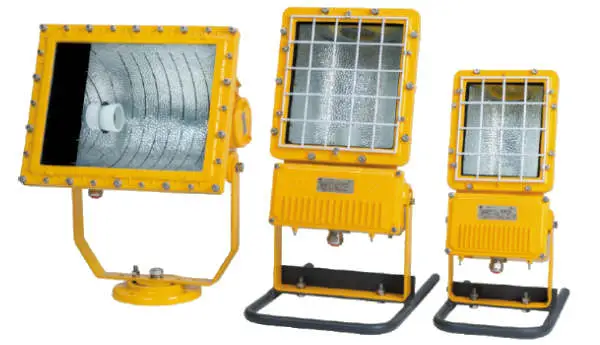
Zone 2 Hazardous Area Lighting

How to Choose Zone 2 Lighting

Safety and regulatory compliance should be top priorities when selecting hazardous lighting and equipment for Zone 2 areas. Here are key points to keep in mind:

  • Explosion protection certification – Ensure the Zone 2 hazardous area lighting is certified for hazardous areas under Australian standards (ANZEx) or international equivalents to guarantee compliance with safety requirements.
  • Material durability – Choose fixtures made from corrosion-resistant materials, such as stainless steel or robust polymers, which can withstand Australia’s diverse environmental conditions, from coastal areas to industrial settings.
  • Ingress protection (IP) rating – Lighting for Zone 2 spaces should have an IP65 or higher rating to protect against dust and water.
  • Energy efficiency – LED lighting is ideal for hazardous areas due to its energy-saving capabilities and minimal heat generation, reducing the risk of ignition.

With these factors, you’ll select Zone 2 lighting that meets Australian safety standards and ensures long-lasting performance in hazardous environments.
Why Hire a Licensed Hazardous Area Electrician for Inspections

Electrical inspections are vital in hazardous zones to ensure safety and regulatory compliance. Neglecting regular inspections increases the risk of accidents, damages, and potential non- compliance penalties. By engaging licensed hazardous area electricians, you can be assured that your installations meet safety standards and that inspections align with industry regulations.

Many businesses struggle to meet inspection requirements due to limited time and internal resources. Partnering with professionals ensures your systems are inspected on time and maintained according to safety guidelines

hazardous area equipment Perth

How Often Does a Hazardous Area Need Electrical Inspection?

Periodic electrical inspections in hazardous zones should occur at intervals not exceeding three years. These inspections identify any wear or deterioration, helping maintain a safe environment. Regular assessments should be a part of any operational plan for hazardous areas, regardless of perceived equipment efficiency.

Regular testing is critical for effective risk management, even if the equipment functions well. Delaying inspections can lead to unexpected failures, putting your business and employees at risk

Why Should You Hire a Licensed Electrician for Inspections?

Meeting Regulatory Standards

Different regions have their standards and regulations for hazardous area inspections. These regulations can vary by industry, particularly where high-risk operations are involved. Hiring a licensed electrician ensures that your inspections comply with national and industry-specific requirements, reducing the risk of fines or shutdowns due to non-compliance.

Professionals stay updated with regulatory changes and implement electrical inspections according to current guidelines. This allows you to focus on operations without worrying about compliance issues.

Accurate Identification of Electrical Hazards

Licensed electricians possess the skills to detect potential hazards that may not be visible to an untrained eye. Their expertise in this field ensures that even minor issues, such as faulty wiring or overloaded circuits, are identified before they lead to more significant problems.

  • Comprehensive examination – Electricians evaluate the electrical system, identifying wear, damaged wiring, and faulty equipment.
  • Risk assessment – Once hazards are identified, they assess the severity of the issue and recommend corrective actions accordingly.
  • Preventive solutions – By addressing minor issues early, whether in electrical systems or hazardous area equipment, they help prevent dangerous incidents, ultimately saving you from expensive repairs or downtime.
  • Safety recommendations – Detailed advice on necessary repairs or replacements is provided to maintain safety and prevent future issues.

This proactive approach minimises the risk of accidents and helps maintain an uninterrupted workflow.

Reliable and Thorough Inspections

Cutting corners is not an option when it comes to hazardous areas. Licensed electricians have the tools and knowledge to conduct thorough inspections that meet the highest industry standards. They conduct detailed assessments, identifying immediate risks and potential future issues.

Licensed professionals use advanced tools to inspect every part of your hazardous area systems accurately. Whether it’s voltage testing, examining connections, or checking equipment safety, they cover all aspects, leaving no room for error.

Their recommendations are grounded in both expertise and regulatory standards, ensuring that any required upgrades or repairs are thoroughly informed by industry knowledge. With licensed professionals, you can rest assured that every step is performed to ensure your site’s safety and compliance.

Considering Maintenance History and Performance

hazardous area inspection

The frequency of inspections can vary depending on the maintenance history of your equipment. More frequent inspections may be necessary if your site has experienced frequent equipment failures or repairs. Licensed electricians assess the ongoing performance of your systems and recommend the appropriate schedule for future assessments.

Regular maintenance and inspections not only prevent accidents but also extend the lifespan of your equipment. Early detection of issues can reduce the need for costly repairs or equipment replacement in the long run.

Following Best Practices and Industry Guidelines

Aside from meeting regulatory obligations, industry best practices provide a solid framework for determining inspection frequency. Licensed electricians are familiar with and implement these guidelines during their inspections, ensuring that your site meets legal and operational standards.

Best practices often offer insights into risk levels and specific hazards related to different industries, helping businesses to plan more effectively for future inspections. Adhering to these recommendations ensures your business stays ahead of safety risks while maintaining operational efficiency.

Hiring a licensed hazardous area electrician is essential to maintaining a safe and compliant work environment. Regular inspections carried out by professionals prevent accidents and protect your business from regulatory violations. By investing in the expertise of licensed electricians, you safeguard your employees, assets, and business operations.

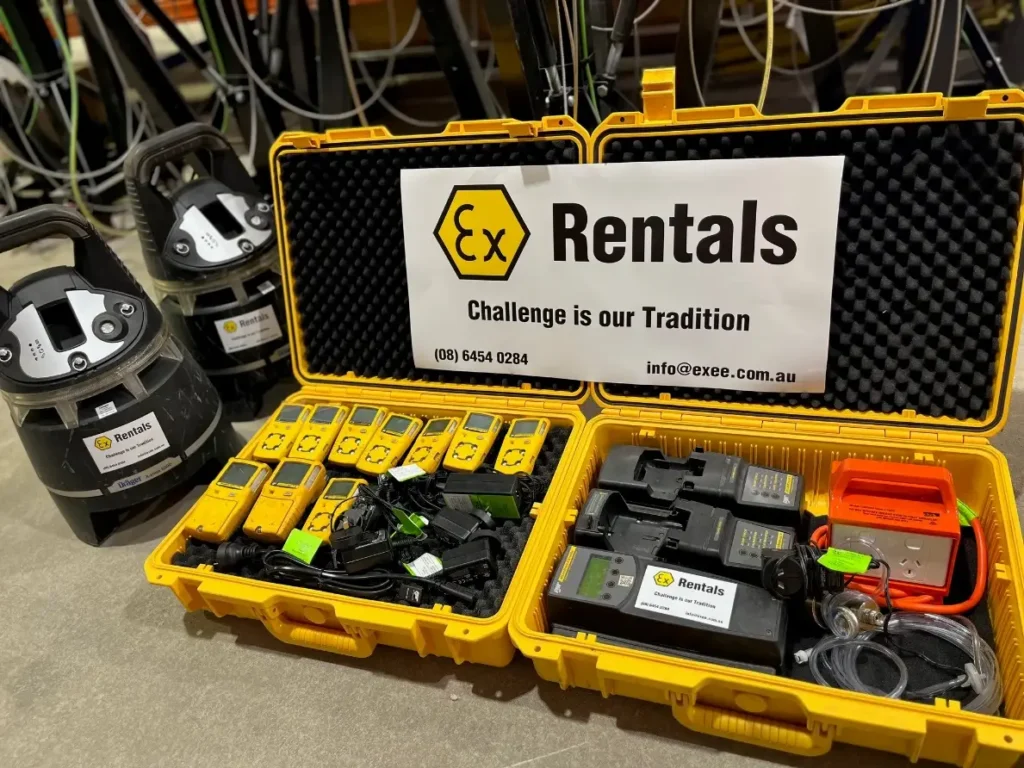
Portable and personal Gas Detectors (For Hire)

Overview:

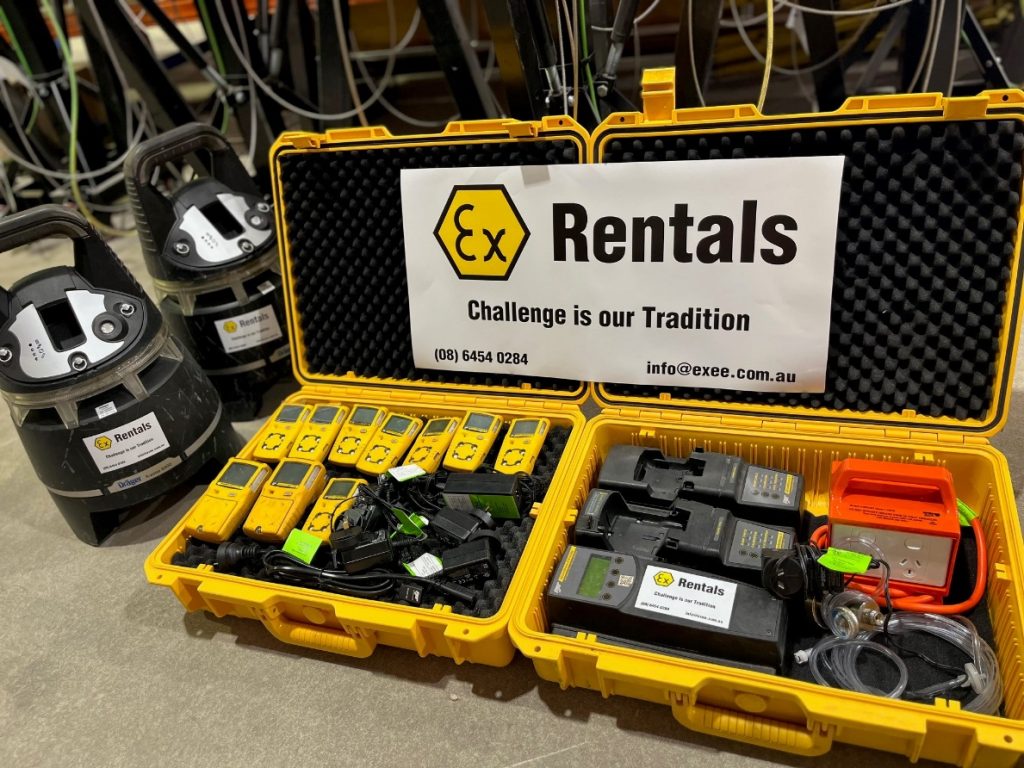
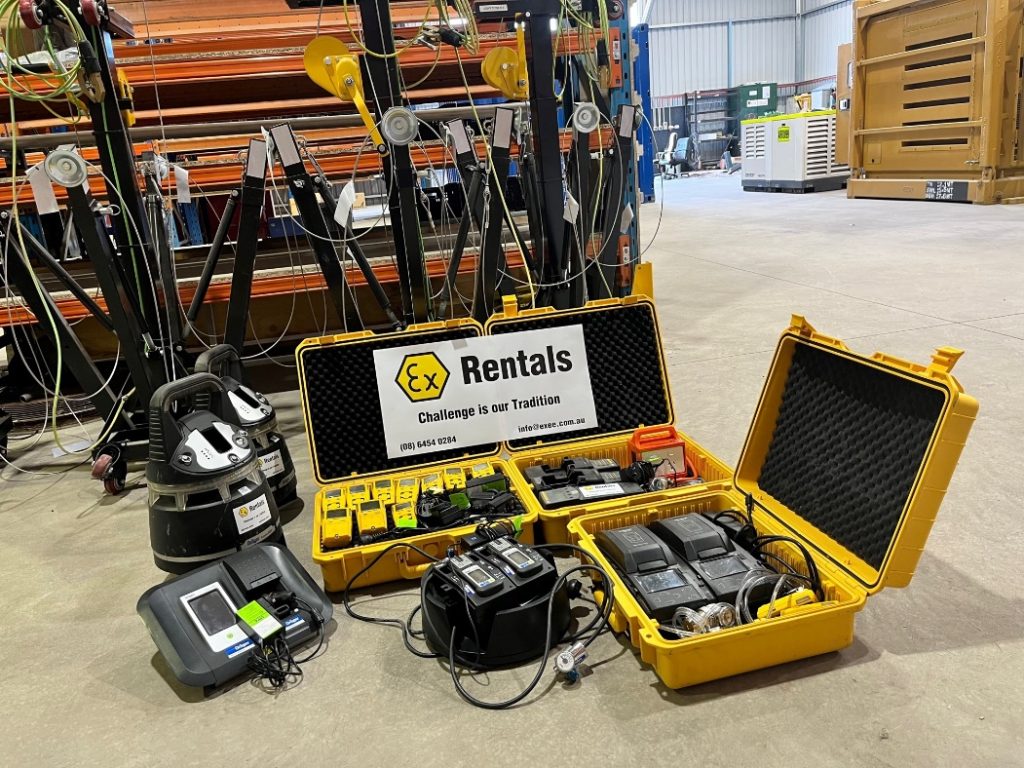
We can supply personal, portable and area multigas detectors for offshore and onshore use in both confined spaces and open areas. 

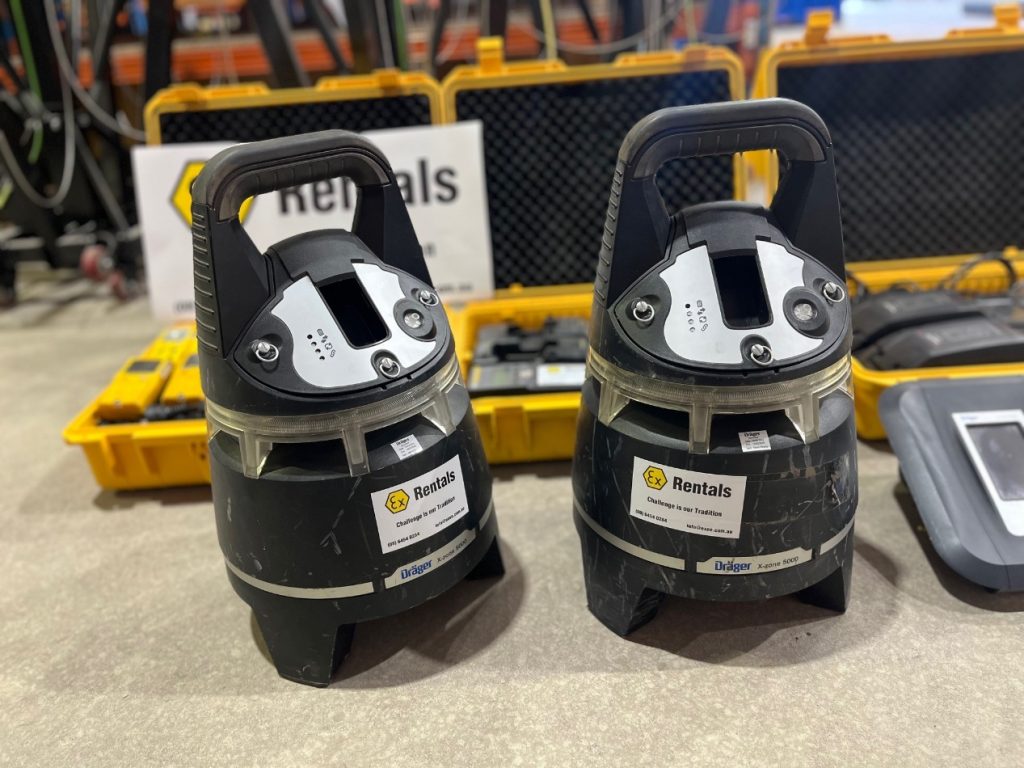
Our recent hire order included Portable X-zone 5800 Portable Gas Detectors (IP67 rated) and personal GasAlert MicroClip XL detectors. 

These versatile gas detectors for H2S/CO/O2/LEL are suited for confined space entry, telecommunications, oil & gas, water & wastewater treatment plants and more.

Features:

  • Four alarm levels
  • Records TWA, STEL & maximum exposures to gas and displays readings on command.
  • Full-function self-test of sensor, battery, circuitry & audible/visual/vibration alarms

Ex ATEX/IECEX-certified portable Radio supply (Offshore)

Overview:

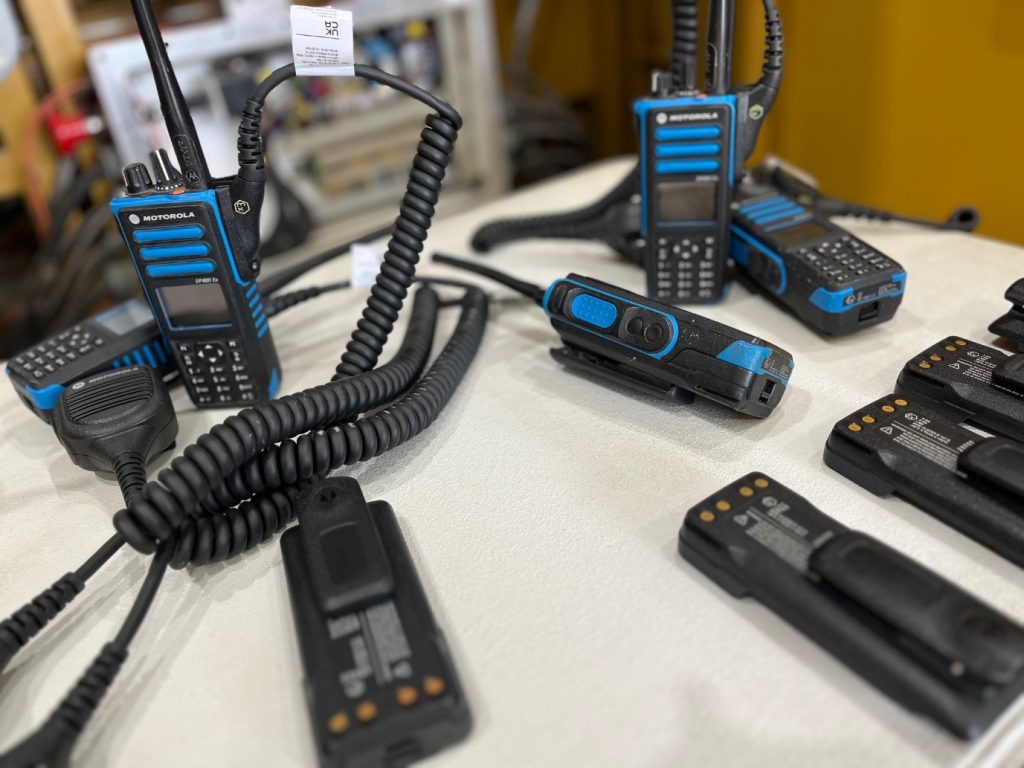
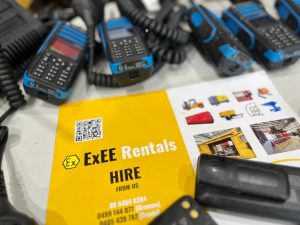
In March 2024 we have supplied a full scope (including charges & spare batteries) of Hazardous Area Fully certified Radio for Northwest Shelf decommissioning project.

Safe, reliable communication is absolutely critical in such dangerous environments.
The fully-featured DP4801 Ex ATEX/IECEX-certified portable delivers unrivalled voice and data communications with integrated GPS, text messaging, full-colour display with day/night mode to make reading text messages easier and best-in-class audio that includes Intelligent.

Audio and customizable voice announcements.

Loud front-facing speaker and Intelligent Audio feature automatically adjusts the radio volume according to the environment’s noise level.

Day/Night Mode on Display:

This display has improved resolution for easier viewing even in broad daylight. It also also features a night mode that makes the screen easier to read in dark environments.
Productivity-enhancing Data Applications:

Features the industry’s largest application developer program to enable a wide variety of customised applications including: location tracking, email gateways, dispatch, telephony, man-down and work order ticket management.

Technical Specifications:

  • Battery life (based on a 05 05 90 duty cycle): 19 hours in digital mode, 16 hours in analogue mode
  • Frequency band: VHF, UHF
  • Repeater capable: Yes
  • Standard battery chemistry type: Lithium Ion
  • 1 Watt: Yes
  • Emergency Button: Yes
  • Keypad: Yes
  • Display: Full, Color, Day and Night mode
  • Dimensions H x W x D (with standard battery): 138.5 x 56.7 x 39.8 mm (5.45 x 2.23 x 1.57 in)
  • Weight (with standard battery): 482.5g (17 oz)
  • System type: TDMA, Capacity Plus, Linked Capacity Plus, IP Site Connect
  • Digital technology: Yes
  • Signalling: Signalling 5-tone, MDC (Encode/Decode), Quik-Call II (Encode/Decode), DTMF Encode
  • GPS Capable: Yes
  • Voice Announcement: Yes
  • Voice Operated Transmit (VOX): Yes
  • Timeout Timer: Yes
  • Scan types: Normal, Priority, Dual priority, Nuisance channel delete, Talk group, All group, System, Home revert
  • Missed call alerts: Yes
  • Test messaging capable: Yes
  • Channel spacing: 12.5, 25, 20
  • Number of channels: 1000
  • One to one calling: Yes
  • Phonebook: Yes
  • Caller ID: Yes
  • Call forward: Yes
  • ATEX IECEx: Yes

High Pressure Washer Gun and Pump System for MS-1

Overview of High Pressure Washing Equipment.

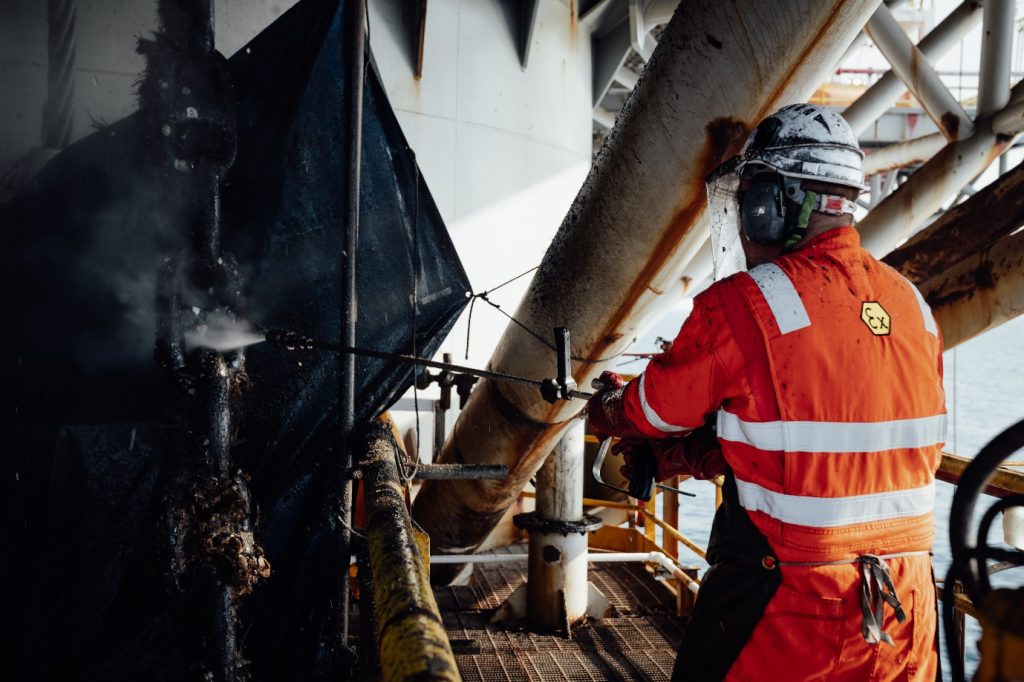
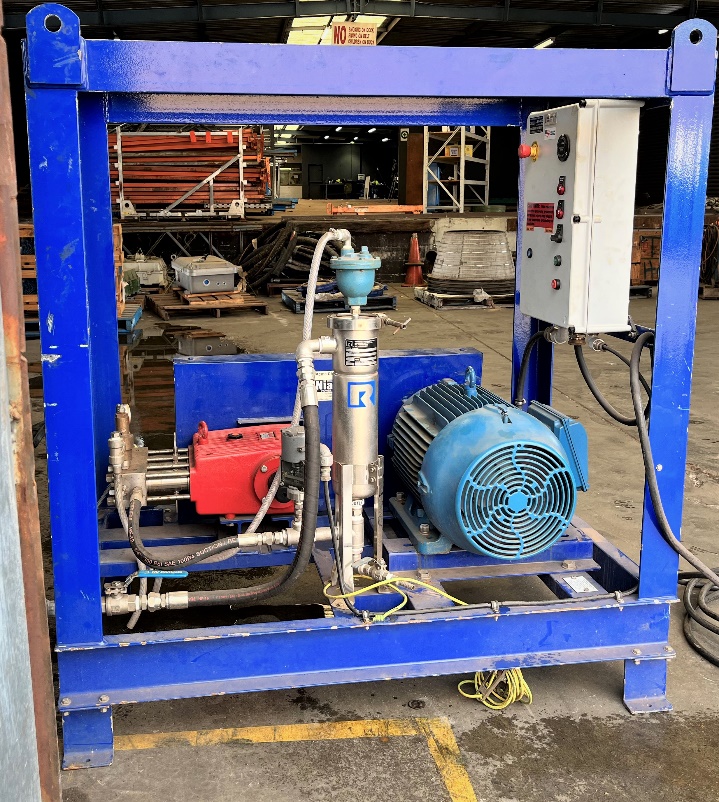
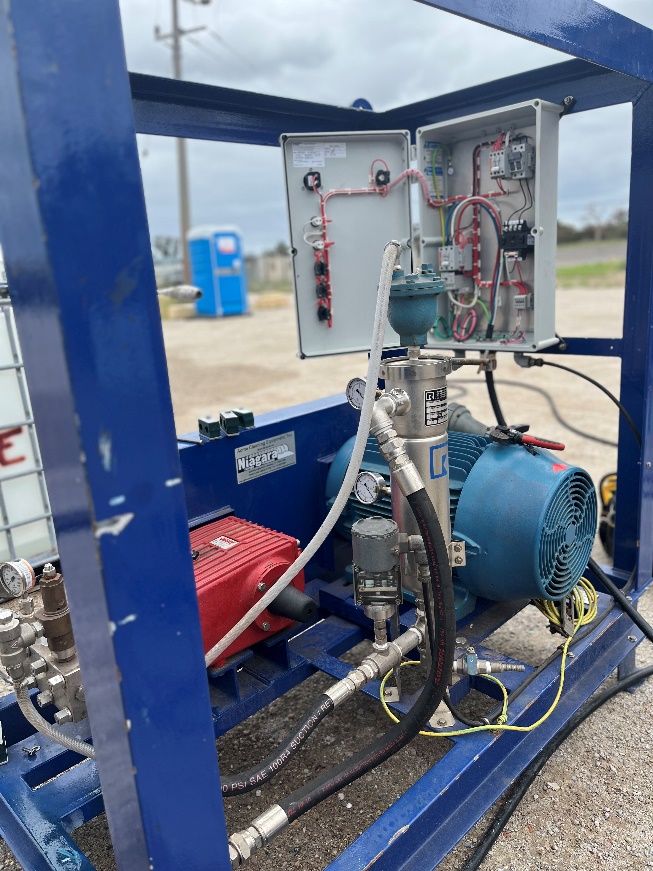
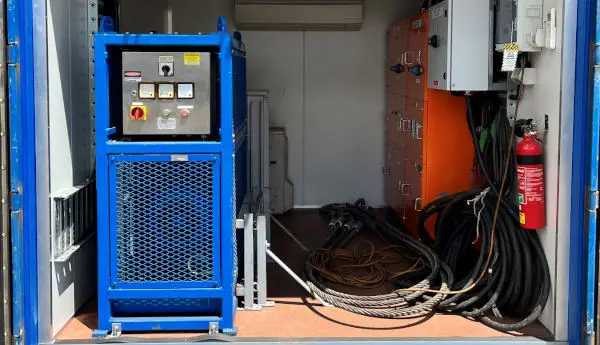
In 2023 we suppled High Pressure Washing equipment to be mobilised to MS-1. This equipment was utilised to clean the mooring chains of marine growth as the MS-1 is being raised, exposing the chain to be cleaned.

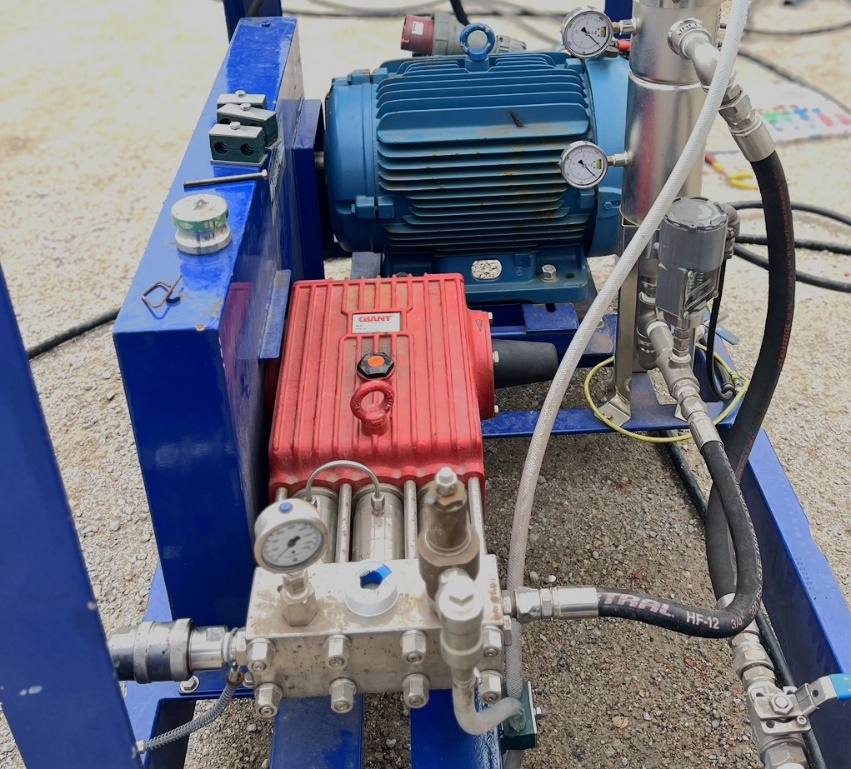
High pressure unit proposed is the Giant pump which has an adjustable pressure of up to 13,000PSI, which can be used to eliminate marine growth and other contaminants without harming the underlying preventative coats underneath.

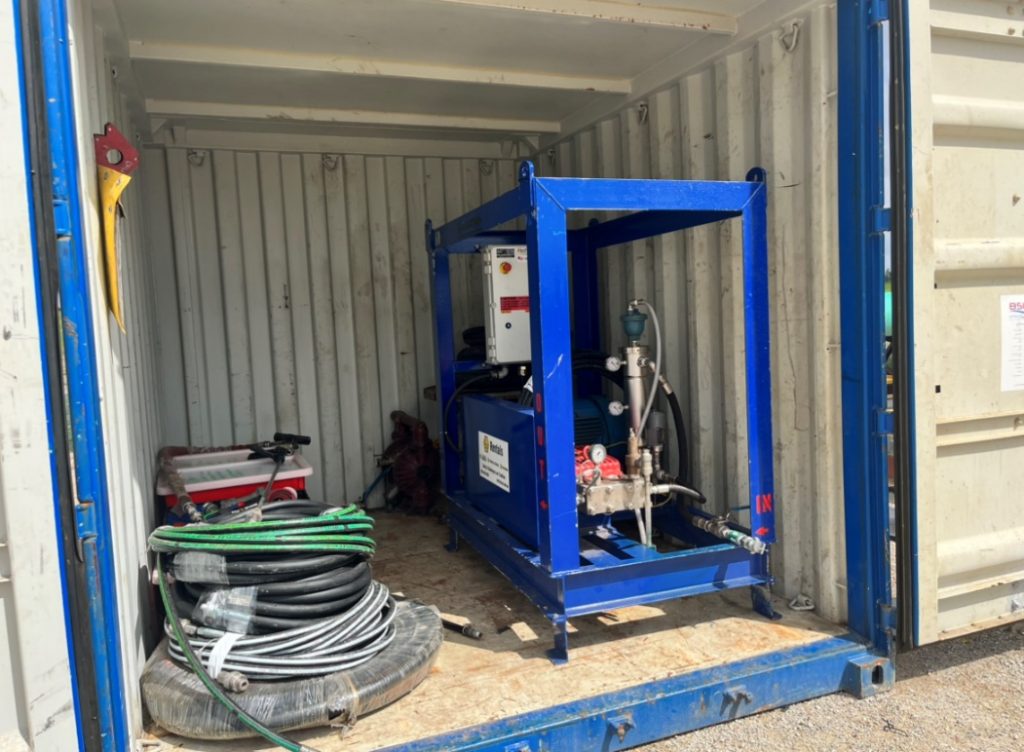
We have successfully completed the project within 8 days, supplying extra cables for connecting power on the rig, hoses for water, PPE, Washing system inside the Mini-container.

Pump: Giant model GP5116 triplex plunger with, stainless steel valves, solid ceramic oxide plungers, AISI 303 stainless steel manifold, Nitrile with fabric reinforcing seals, oil bath crankcase, heavy duty bearings, cast iron gear end, maximum rate for operation; 5.5 gpm, 14,500 psi, 850 rpm

Gun: rated 15,000 psi working pressure, dump style designed for optimum operator safety and comfort, a quick-change cartridge overhaul, fully adjustable shoulder stocks and hand grips, and a unique safety trigger latch to prevent accidental discharge.

Nozzle: rated for 15,000 psi operation, rotating in a 20o pattern provides the maximum impact in a wide area of coverage.

Cage: heavy duty, fabricated structural steel base with 6″ x 8.2 lb/ft channel for the base, 4” x 5.4 lb/ft channel for the cross members and 4” x 4” x 1/4” angle for the cage with lift eyes.

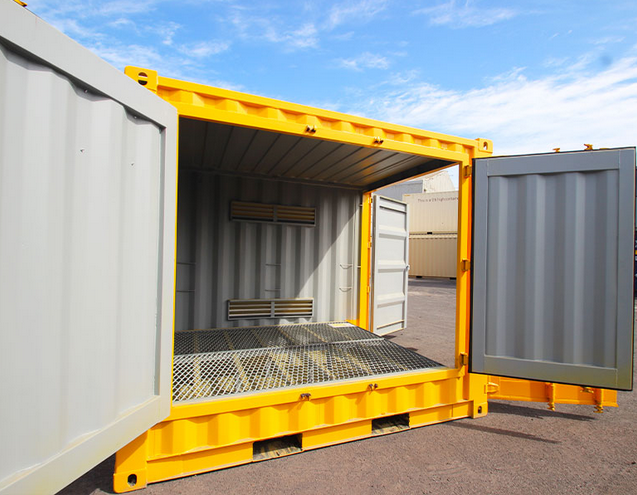
20ft DG Storage Container for Northwest Shelf offshore WA

Overview of Storage Containers

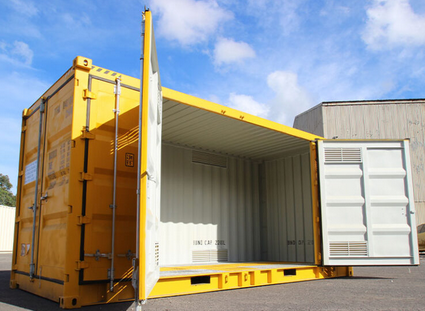
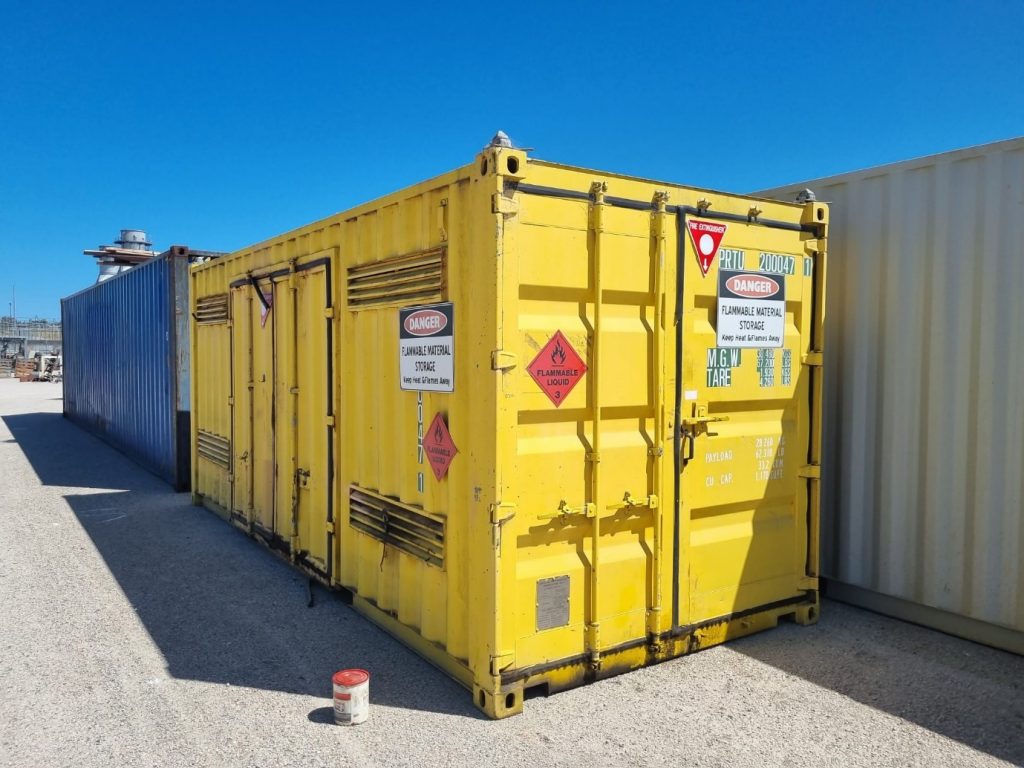
At the beginning of 2024 we managed to secure 2-year rental contract of 20Ft DG Storage for a drilling contract on the Northwest Shelf offshore Western Australia. Upon completion of the campaign, the rig will mobilize in first-quarter 2025 for a 16-well drilling program in the Otway Basin offshore southeast Australia.

20ft dangerous goods containers are highly sort after for industrial applications. Moreover, these containers’ purpose built to safely house hazardous goods. 

These containers also come standard with a steel bunded floor, dangerous goods vents, and an internal emergency exit handle. 

Compliant with Australian Standards AS1940-2004

  • Double doors for easy access.
  • Internal emergency door release.
  • Bunded floor — galvanised grate flooring.
  • Lockable stainless-steel valve in bunded wall.
  • Compliant venting.
  • Relevant signage supplied.

Specifications

  • External Dimensions: Length: 6.058mm Width: 2.438mm Height: 2.900mm
  • Internal Dimensions: Length: 5.900mm Width: 2.345mm Height: 2.480mm
  • 33.2m3 
  • Weight: 3,350kg
  • Double doors for easy access.
  • Internal emergency door release.
  • Bunded floor — galvanised grate flooring.
  • Lockable stainless-steel valve in bunded wall.
  • Compliant venting.
  • Relevant signage supplied.

Certified to Store:

  • 9,500L (Max Package Size: 25L PACKAGES)
  • 8,780L (Max Package Size: 205L Drums)

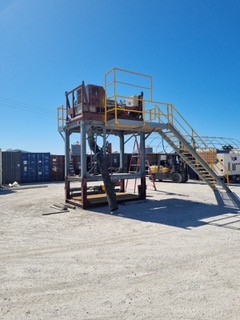
Centrifuge Static Stand For Hire

Centrifuge Static Stand Details

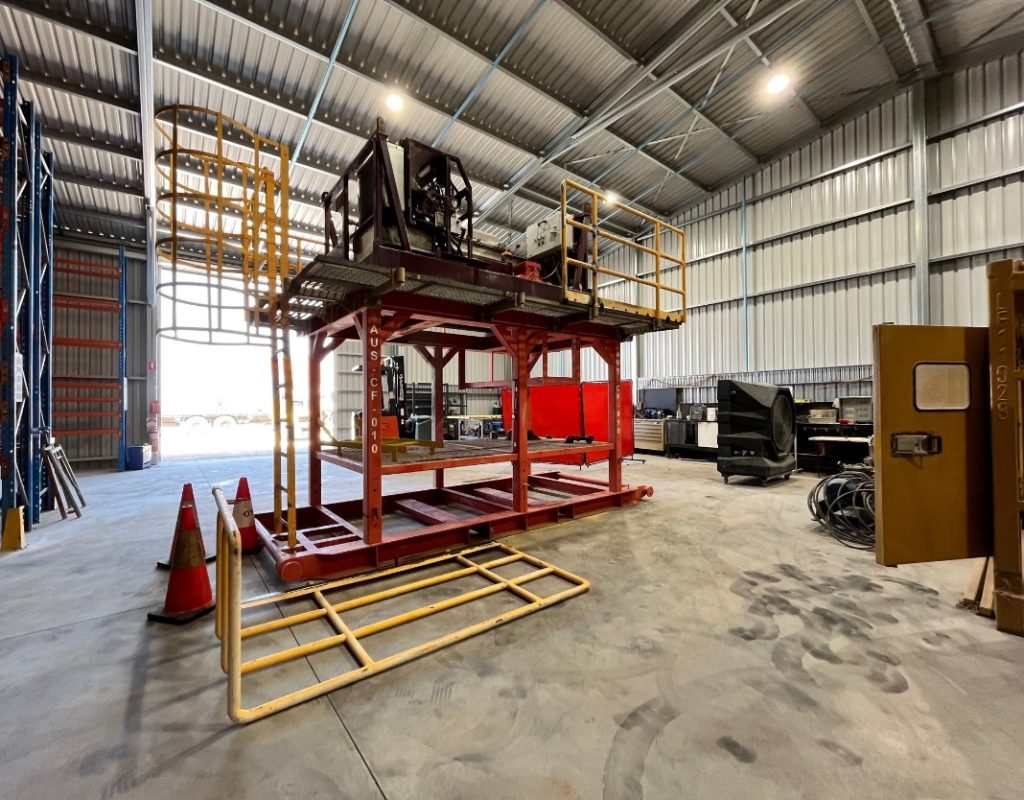
Our Centrifuge rental fleet includes not only decanting centrifuges, primarily featuring the DE1000 FHD, but also GBD Centrifuges mounted on static stands for different height application. These units provide the versatility and reliability necessary for effective solids-liquid separation. 

With key attributes such as safety, dependability, and capacity, Derrick centrifuges empower operators to make real-time adjustments as needed.

With hydraulic stands we eliminate much of the safety concerns that normally come with centrifuge set up on location. 

Our Hydraulic Centrifuge Stands are self-contained, eliminating the need for a picker or crane for rig up. The self-raising hydraulic centrifuge stand is a single load on rig moves.

We are proud of our capabilities to build such structures in our Neerabup, WA workshop. ExEE team include highly capable & fully certified welders, technicians, engineers, welders

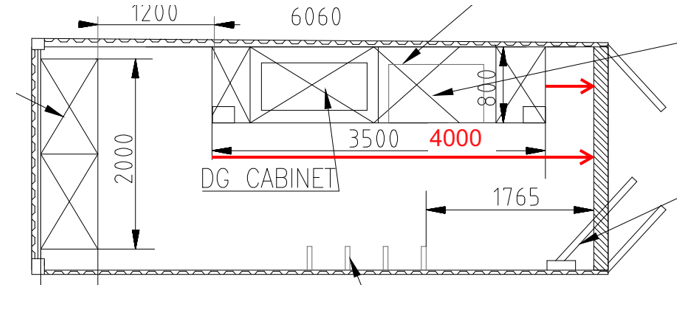
Customised Fully powered Equipped Workshop Container with AC

Overview:

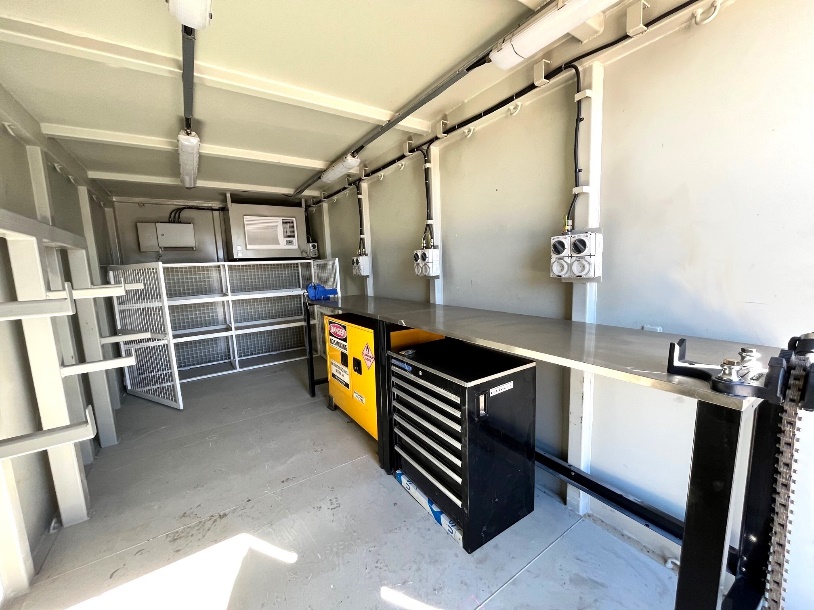
Our team successfully completed and dispatched a fully powered, equipped workshop with AC for Final Stage of Tui Project Oil Field Decomissioning in NZ in February 2024.

From receiving RFQ, drafting design to sourcing all items & materials, we have completed assembling racks, installing power, AC, toolbox and more in our workshop. 

We have also completed all related tests and certification as per the client’s procedure.

Specifications:

  • 20ft container
  • Caged shelves with a door (2000 x 600 x 1800)
  • 2 x lights above the work bench
  • 500kg slewing jib wall-mounted crane
  • 2 x lights on the roof centre
  • 3 x double GPA 32A
  • Toolbox storage (615 x 330 x 740)
  • Work bench (4000 x 800 x 950
  • Two rows of load rate hooks
  • DG Cabinet

Hazardous Area Floodlights Installation on FPSO Vessel

Overview of Hazardous Area Floodlights Installation

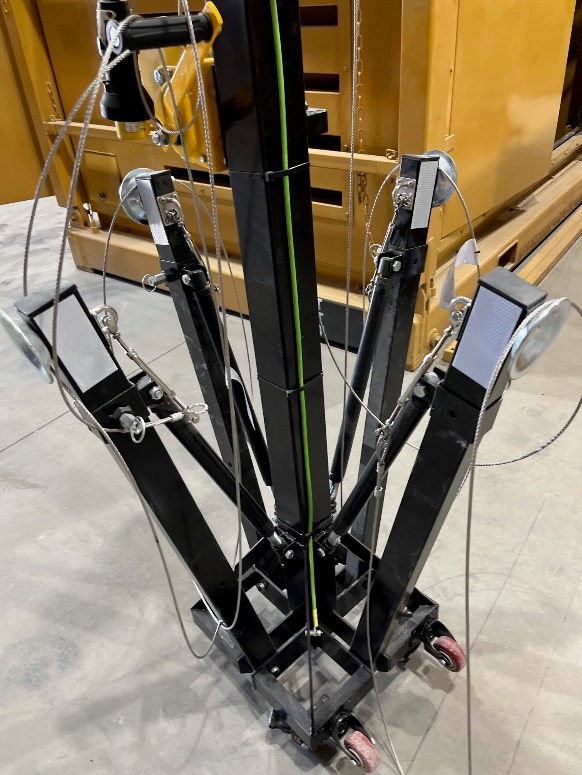
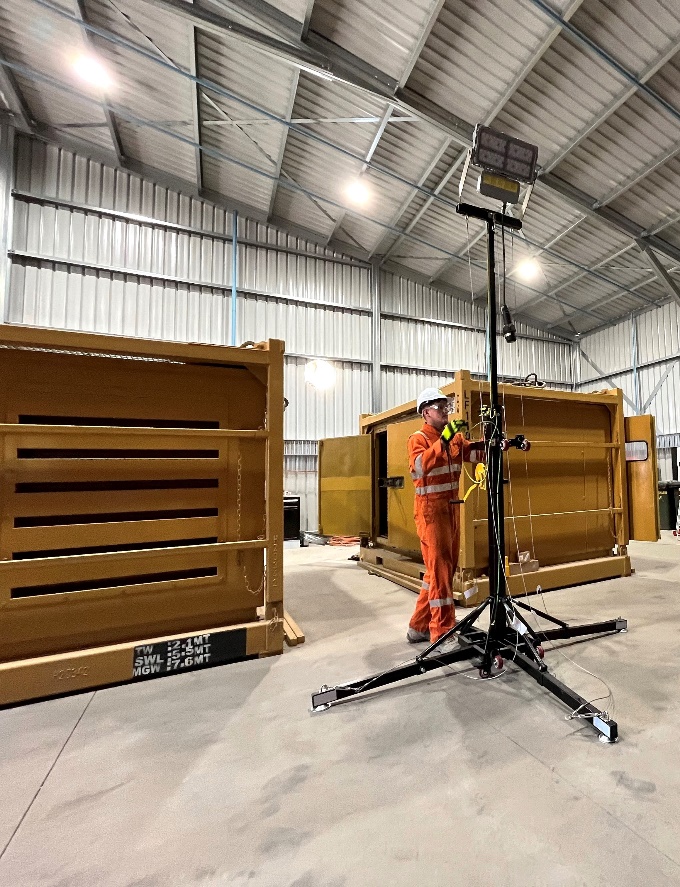
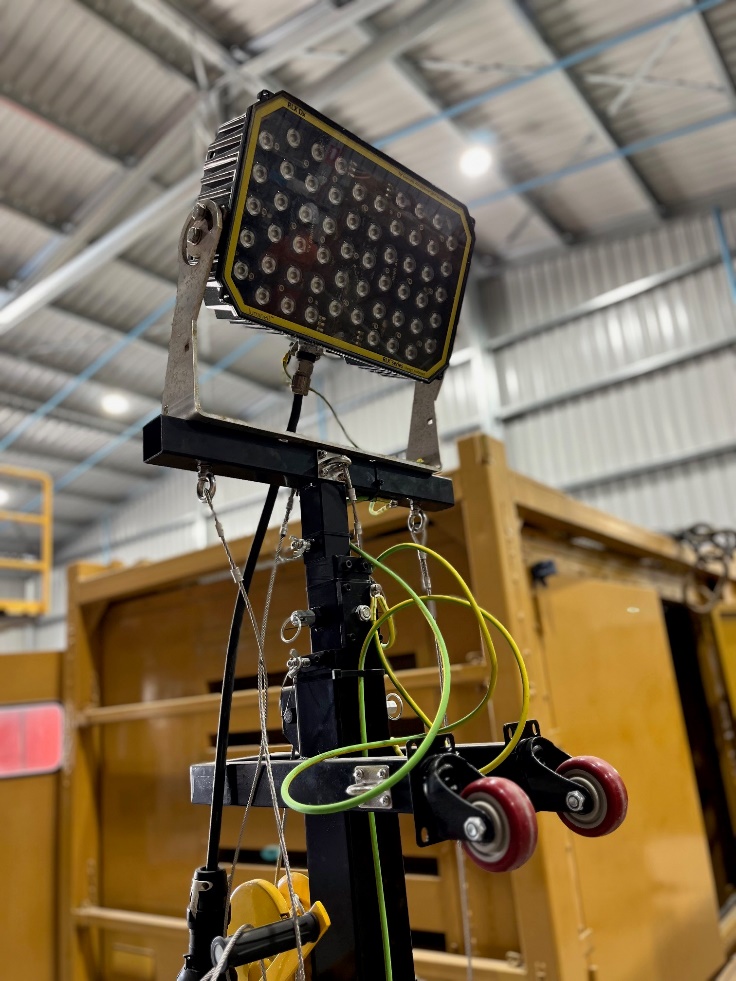
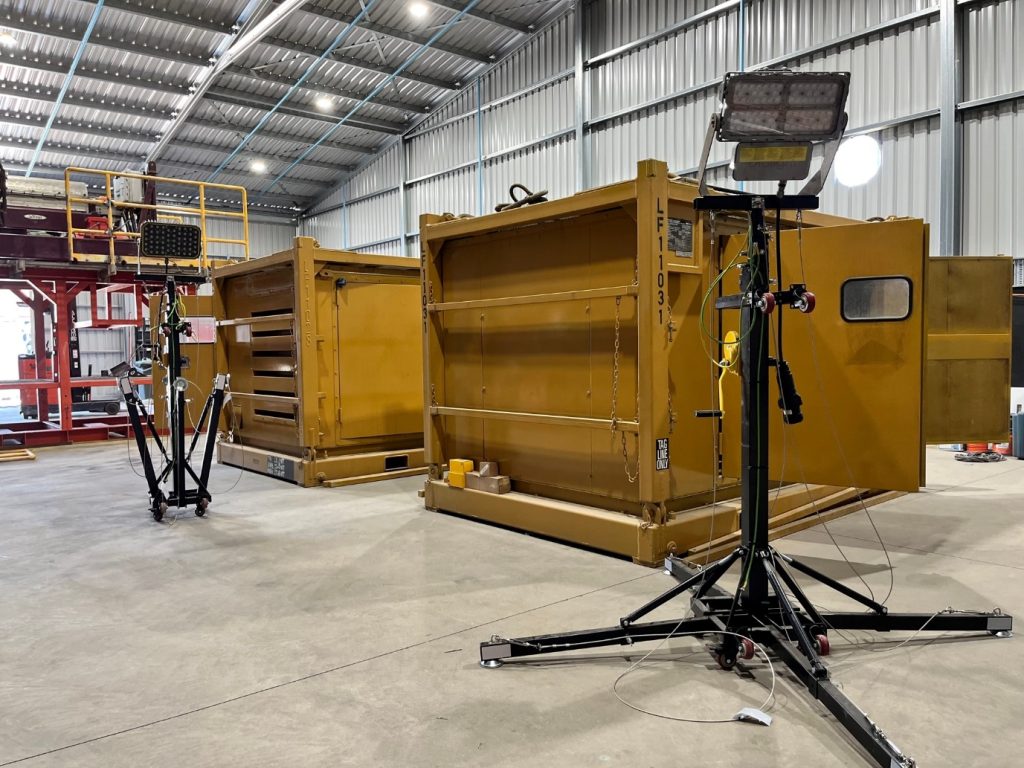
Our team successfully installed these Very bright, 50/60Hz 100V to 277V 24,000 Lumen high efficiency light towers in one of the recent Government campaigns, FPSO/decommissioning vessels. 

These Light Towers are easy to adjust, extend and move around (includes wheels).

This system has a really wide coverage, excellent for illuminating large areas.

We could fit a plug that suits the rig outlets.

4m Hazardous Area Floodlights Tower Features

  • Working Height: 4m
  • Moving Height 1.8m
  • Basement Extension: 180cm x 180cm
  • Payloads: 200kg
  • 3pcs square sections: 40mm, 60mm, 80mm
  • Thickness of steel parts: 2.5mm
  • Unit total weight: ~53kg
  • Packing size: 190cm x 45cm x 52cm
  • Supplied with a stainless steel frame.

For more info check out our Hazardous area Floodlights here